A Swiss Alpine Heritage Rooted in Terroir and Tradition
Murray's Cave Aged Gruyère is much more than a tasty hard cheese, it's a culinary ambassador of Swiss alpine terroir, bearing the strict certification of Appellation d'Origine Protégée (AOP). This protected designation guarantees that every step of its production, from lush mountain pastures in Fribourg and Vaud to the final aging phase, traces back to a defined Swiss origin. But here's a modern twist: after initial Swiss maturation, select wheels are shipped to Murray’s caves in Long Island City, where temperature and humidity perfectly mimic Swiss sandstone cellars. This unique affinage process tempers traditional craftsmanship with American finesse, enhancing the cheese’s profile for discerning palates.
What’s in the Wheel? Cow’s Milk from Grass-Fed Alpine Giants
The core of the cheese is raw, unpasteurized cow's milk, specifically from Montbéliarde and Simmental breeds. These cows graze the alpine meadows rich in omega-3 fatty acids and beta-carotene, essential for the cheese’s signature ivory hue and complex flavor bouquet. Notably, silage is strictly forbidden during feeding, since unwanted butyric bacteria could spoil the delicate balance. Thanks to raw milk processing, all the native enzymes and beneficial bacteria survive to nurture the cheese's unique maturation.
The Magic of Animal Rennet and Hard Cooking
Authenticity means using traditional animal rennet derived from calf stomachs, a key factor that gives Gruyère its superb texture and aging potential. After curdling, cheesemakers apply a "hard-cooked" process, briefly heating curds to nearly 144°F, which expels moisture and shapes the firm structure. This coaxes the curds into a dense lattice perfect for aging, yielding that elastic but crumbly texture beloved by many.
Aging Gracefully for a Year or More
Murray’s Cave Aged Gruyère spends a minimum of 12 months maturing, well beyond the standard 5-month minimum. The initial phase unfolds in humid Swiss rooms where the rind forms through gentle brine washes, followed by the controlled environment of Murray's caves. Here, the cheese sheds moisture, losing about 10% of its weight, intensifying flavors and developing crystalline tyrosine clusters. These crunchy crystals are a delightful hallmark of perfectly aged Gruyère, especially prized by aficionados.
Flavor and Texture: A Symphony on the Palate
Expect a flavor profile bursting with toasted hazelnuts, savory brown butter, and a subtle fruity acidity that keeps the palate engaged. Near the rind, a touch of earthy, cellar funk reveals itself, thanks to the washed-rind process encouraging microflora like Brevibacterium linens. The texture strikes a fantastic balance: dense and elastic yet smooth, melting beautifully into fondues or gratins without greasy separation.
Pro Pairing Tip: What to Sip Alongside
Wines that echo or cut through Gruyère’s richness work best. For white wine lovers, try a buttery California Chardonnay or a crisp Alpine Jura white like Savagnin. Pinot Noir is a red that complements the cheese's funk and nutty profile without overpowering it. Feeling adventurous? A dry Amontillado sherry matches beautifully with the cave-aged variant’s toastiness. Beer fans should consider Belgian dubbels or saisons, whose carbonation and spicy esters refresh and complement the cheese's complexity.
On Your Pagosa Springs Table: Versatility and Pairings
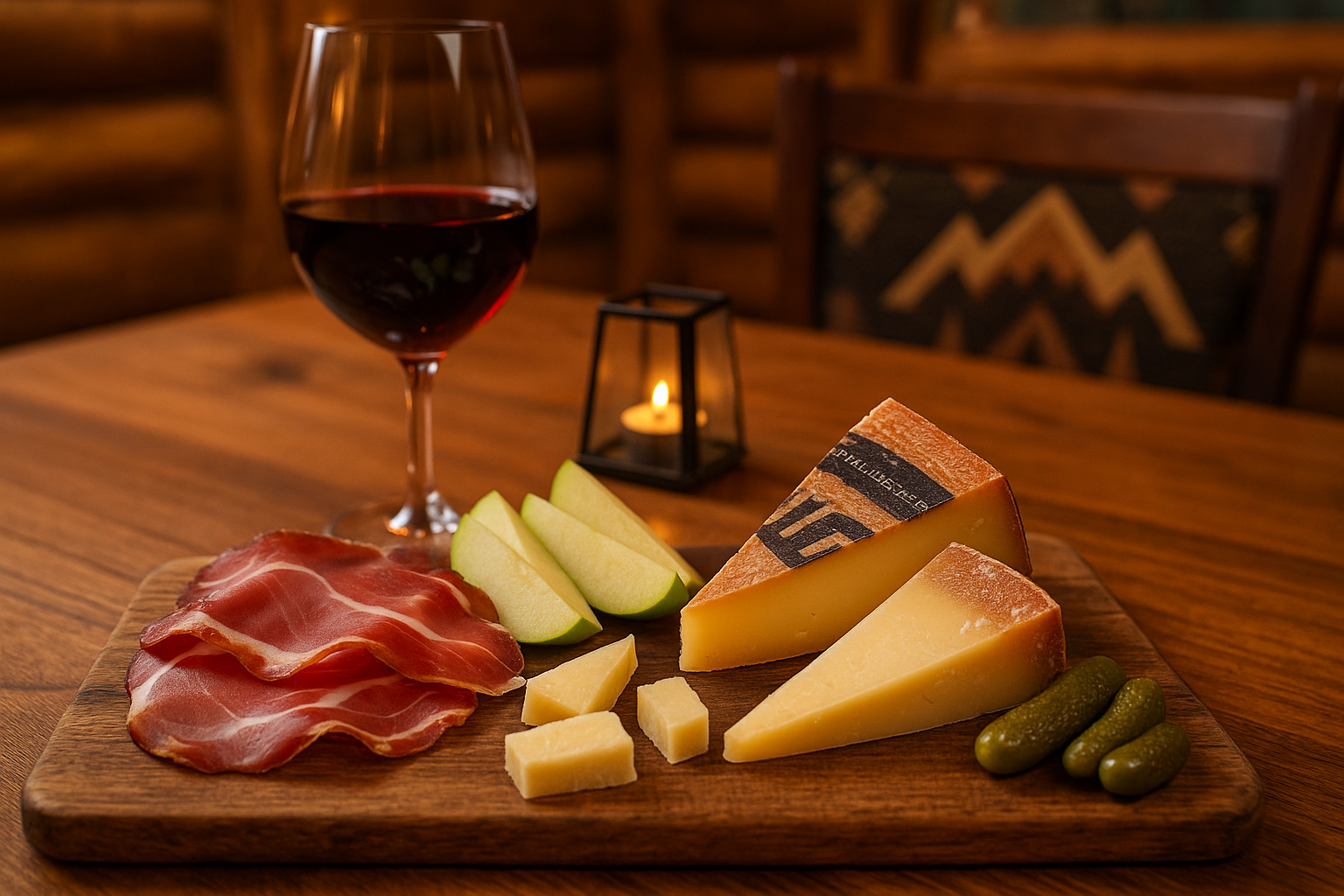
Gruyère shines both as a stand-alone star and a culinary workhorse. Serve it on a board with smoky speck, crisp Granny Smith apples, and tangy pickles for a crowd-pleasing appetizer. Or melt it into classic Swiss fondue alongside Vacherin Fribourgeois, available at Murray’s Cheese in City Market. Use shredded Gruyère for French onion soup topping, croque monsieur sandwiches, or even savory gougères—its high quality guarantees luscious melt and rich flavor every time.
Terroir Tales: The Copper Vats and the Cheese Passport
Every wheel tells a story, from the copper vats that ensure precise temperature control during cooking to the "cheese passport" label marking its dairy origin and production date. These traditional practices have stood the test of time, ensuring each Murray's Cave Aged Gruyère maintains impeccable traceability and quality.
How to Spot If It’s Still Good
A cave-aged Gruyère might sport a pungent rind with a faint ammonia scent, that’s normal and often fades after airing for a half-hour. Look for white tyrosine crystals and a slightly oily surface; these are good signs. But if the interior is slimy, smells rancid (think "old gym socks"), or shows discolored patches, it’s time to say goodbye.
Getting the Name Right: It’s groo-YAIR, Not "Grew-year"
Respect the cheese’s heritage by pronouncing it "groo-YAIR." Think "blue" for the first syllable and "fair" for the second. It’s a small effort that honors the centuries-old tradition behind each nutty, buttery slice.
Whether you’re a Pagosa Springs local or a visitor exploring the culinary scene, Murray’s Cave Aged Gruyère is a cheese worthy of your attention, and your cheese plate. Stop by Murray’s Cheese inside City Market, grab a wedge, and bring a piece of Swiss alpine magic to your table.