California's Cheese Revolution: How 20 Years Transformed a Parking Lot Festival into a Global Phenomenon
From humble beginnings in a Petaluma hotel parking lot to a world-class celebration at the Sonoma County Fairgrounds, California's artisan cheese scene has undergone a remarkable transformation.
Estimated Reading Time: 6 min
Twenty years ago, a handful of cheesemakers gathered in a modest hotel parking lot in Petaluma to share their craft with curious locals. Fast-forward to 2026, and that small gathering has evolved into the California Artisan Cheese Festival, a premier international destination that attracts over 2,000 guests from nearly 30 states and multiple countries. This March, as the festival celebrates its 20th anniversary, it's not just marking two decades of great cheese; it's showcasing how California has become a global leader in sustainable dairy innovation, functional nutrition, and what industry experts call the "experiential economy."
The transformation reflects a broader shift in how we think about food, farming, and community. What started as a celebration of craft has become a sophisticated economic model that keeps rural communities thriving while meeting the evolving demands of health-conscious consumers.
The New Wave: Functional Cheese Meets Wellness Culture
Today's cheese lovers aren't just seeking flavor, they want their food to work for them. The 2026 festival highlights a fascinating convergence of indulgence and wellness, where traditional fermentation processes are celebrated for their probiotic benefits and gut-health advantages.
Why Your Gut Will Thank You
Modern nutritional science has validated what cheese lovers have long suspected: fermented foods like artisan cheese can be genuinely good for you. The functional dairy market is projected to grow from $48.6 billion in 2025 to over $74 billion by 2035, driven by consumers who view gut health as the gateway to overall wellness.
Unlike mass-produced dairy, artisan cheeses, especially raw milk and long-aged varieties, retain higher concentrations of beneficial probiotic bacteria. These products contain bioactive compounds that not only stimulate dopamine release (hello, cheese happiness!) but also provide the beneficial bacteria necessary for maintaining healthy cholesterol levels.
Pro Pairing Tip: Look for raw milk cheeses aged over 60 days. The extended aging process concentrates both flavor and beneficial bacteria, giving you maximum taste and health benefits in every bite.
The A2 Advantage
One of the most significant trends at the 2026 festival is the rise of A2/A2 milk products. Newcomers like JUST Creamery are leading this charge, using milk from heritage breeds that produce only the A2 beta-casein protein. This "tummy-friendly" alternative addresses the digestive discomfort many people experience with conventional dairy, which often contains the A1 protein.
JUST Creamery, founded by Portuguese and Indian cheesemakers, operates a radical transparency model from their Wilton, California base. Their 200-cow herd in Modesto feeds on upcycled agricultural byproducts like apple and carrot pulp, creating a closed-loop system that reduces waste while enhancing milk quality. Consumers can even visit the farm to witness the entire "cow to carton" process.
Spring Flavors: Botanical Infusions Take Center Stage
The 2026 festival showcases an exciting trend toward seasonal, botanical-infused cheeses that capture the essence of Northern California's spring landscape. Producers are moving beyond traditional herbs to incorporate regional flora like lavender, ramps (wild leeks), and citrus infusions.
Standout Spring Releases
Urban Stead Seasonal Quark with Ramps: This foraged allium creation offers sweet, onion-garlic notes that transform simple quark into something resembling high-end onion dip.
Point Reyes Lavender Collaboration: Partnering with local lavender farms, this release combines floral, calming notes with creamy textures, perfect for spring entertaining.
Nicasio Valley Jalapeño Cilantro Foggy Morning: A bold fusion that balances shelf-stable local jalapeños with herbal citrus notes, creating what makers describe as a "nice kick" without overwhelming heat.
Fiscalini Farmstead Balsamic Onion Cheddar: This English-style block cheddar incorporates balsamic vinegar and toasted onion, delivering complex flavors reminiscent of French onion soup.
Pro Pairing Tip: Spring botanical cheeses pair beautifully with crisp white wines or light beers. The herbal notes complement the bright acidity of Sauvignon Blanc or the effervescence of wheat beer.
Meet the New Makers: Micro-Creameries Leading Climate-Smart Innovation
The 2026 festival introduces several "micro-makers" who represent the cutting edge of climate-smart dairy production. These small-scale operations are moving beyond simple sustainability toward what industry experts call "restorative agriculture."
Mt. Eitan Cheese: Art Meets Terroir
Led by Omer Seltzer, whose family has roots in goat farming in Israel's Judean Mountains dating back to the 1970s, Mt. Eitan Cheese operates more like an artist's studio than a traditional creamery. Based in Sonoma County, Seltzer sources goat milk from Redwood Hill Farm in Sebastopol and Jersey cow milk from Straus Family Creamery in Bodega.
What sets Mt. Eitan apart is their embrace of seasonal variation. Rather than forcing industrial consistency, they celebrate the natural changes in milk throughout the year. Their signature "Raya", a 12-month aged firm goat cheese, develops its distinctive orange-tinged rind from the specific fog and humidity of the West Sonoma coast.
Terroir Tales: Seltzer describes his approach as "letting the land speak through the cheese." Each wheel of Raya tells the story of a specific season, from the rich spring grasses to the dry summer heat that concentrates flavors in the milk.
The Regenerative Revolution
Leading producers like Point Reyes Farmstead have implemented sophisticated closed-loop systems where dairy manure is processed through methane digesters to power the farm. This approach not only reduces greenhouse gas emissions but creates nutrient-rich fertilizer that's spread back onto fields to promote soil fertility.
By planting nitrogen-fixing legumes and creating "carbon sponges" in the soil, these creameries are actually sequestering carbon while producing milk that expresses the complexity of biodiverse pastures. Some operations, following models established by pioneers like Jasper Hill, have achieved "carbon-negative" status, taking more carbon out of the atmosphere than they produce.
The Experience Economy: Beyond Tasting to Total Immersion
Modern festival-goers aren't just snackers, they're "turophiles" seeking immersive, educational connections to their food. This shift is reflected in the rapid sell-out of high-level seminars and intimate "field-to-fromage" tours.
Luxury Learning: Cheese Meets Caviar
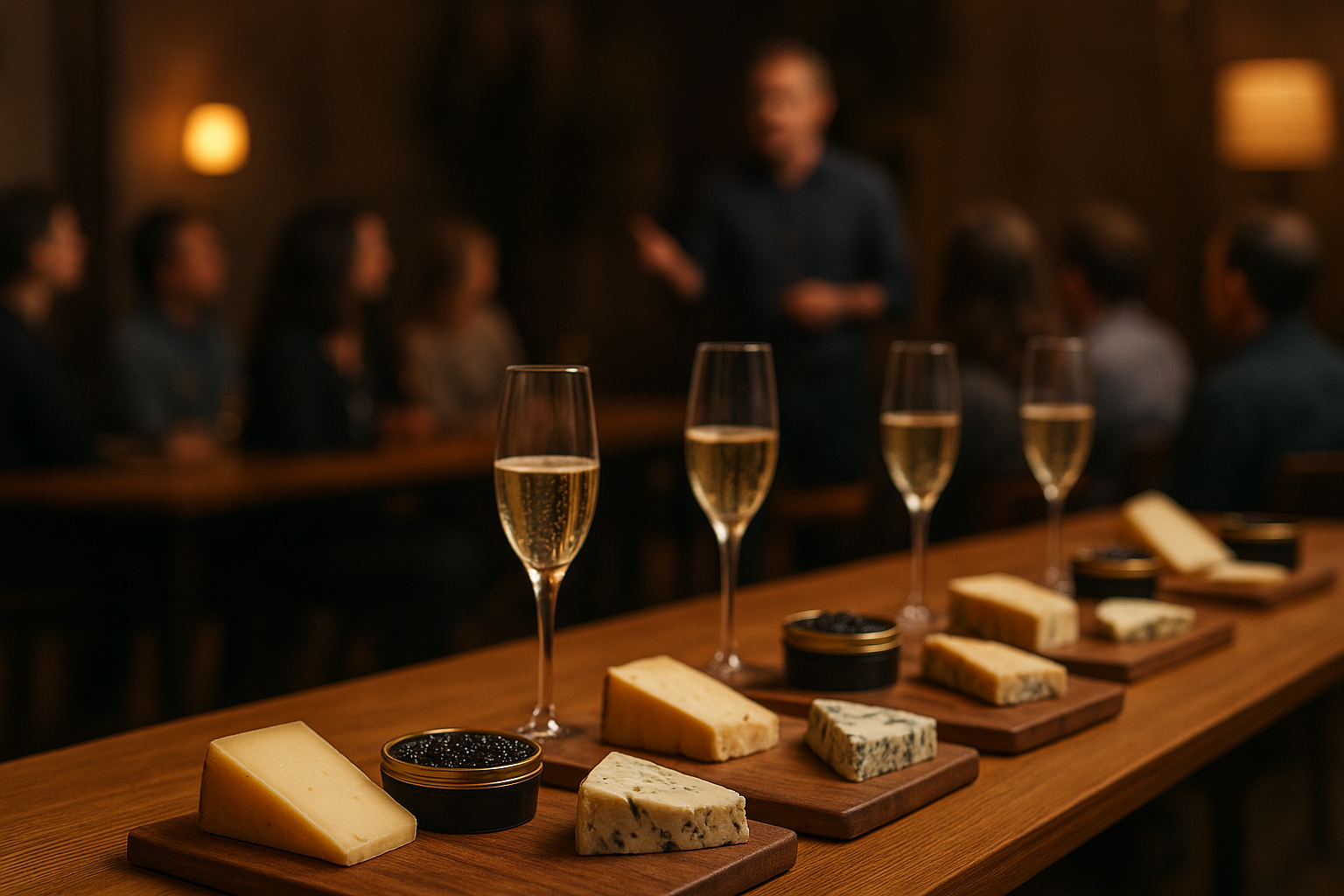
One of the most intriguing additions to the 2026 program is the Cheese & Caviar pairing seminar, featuring Petra Higby (CEO of The Caviar Co.) and author Laura Werlin. This session moves beyond traditional wine pairings to explore the sophisticated intersection of luxury flavor profiles, pairing artisanal cheeses with various caviars and sparkling wines.
This reflects a broader trend toward "menus that tell a story," where the provenance of each ingredient is as important as its flavor. Consumers increasingly seek restaurant-quality experiences at home and festivals, rewarding operators who provide deep, expert-led insights into complex pairings.
Farm Tours: Transparency in Action
The 2026 Farm & Producer tours, priced at $185 per person and sold out months in advance, provide behind-the-scenes access to local food culture. These experiences allow guests to interact with animals, meet makers in their natural environment, and observe climate-smart practices in action.
Tour Highlights:
- Field to Fromage: Achadinha, Gold Ridge Organics, and Wm. Cofield showcase the journey from soil health to aging room
- Icons of the Coast: Point Reyes Farmstead, Straus Home Ranch, and Heidrun Meadery demonstrate legacy sustainability leadership
- Honey & Heritage: Marin French Cheese Co., Nicasio Valley, and Beehive Cheese explore historical ranching traditions
These tours function as vital educational tools, bridging the gap between urban centers and rural dairies while allowing consumers to witness sustainable practices like solar-thermal energy integration and hay-drying innovations.
The Affordable Luxury Strategy
The economic landscape of 2026 has prompted a strategic shift toward "affordable luxury." Producers are positioning high-quality artisan cheese as accessible everyday indulgence rather than special-occasion splurges.
Point Reyes Farmstead's "Everyday Indulgence" campaign exemplifies this approach, encouraging home cooks to use award-winning cheeses like their flagship Original Blue or new California Brie in routine meals, think "Tuesday night tacos" elevated with artisan cheese.
This positioning serves as both emotional and economic "escape" for consumers navigating uncertain times. By elevating texture, flavor, and packaging with minimalist designs and gold accents, brands provide a sense of luxury at approachable price points.
Pro Pairing Tip: Transform weeknight dinners by incorporating small amounts of high-quality cheese. A few ounces of artisan cheddar can elevate mac and cheese, while a dollop of fresh goat cheese transforms simple pasta into restaurant-worthy fare.
Looking Forward: The Next 20 Years
As the California Artisan Cheese Guild celebrates this milestone, the formal proclamation by Governor Gavin Newsom signals that the "cheese renaissance" is complete. The focus now shifts toward refinement, technical excellence, and continued restoration of rural landscapes.
The 2026 festival proves that California's cheese culture isn't just expanding, it's evolving into a model of how modern food systems can be both profitable and restorative. With functional health, affordable luxury, and experiential transparency as the three pillars of success, the industry is well-positioned for continued growth.
Ingredients: Various artisan cheeses feature different milk types (cow, goat, sheep), traditional and vegetable rennet, and seasonal botanicals. Most contain milk; some may contain nuts or other allergens. Check individual producer labels for specific information.
The transformation from parking lot gathering to global phenomenon demonstrates the power of combining traditional craftsmanship with modern innovation. As these artisan producers continue to lead in sustainability and flavor development, they're not just making great cheese, they're creating a blueprint for the future of American agriculture, one wheel at a time.
Sources and Further Reading
- California Artisan Cheese Guild - Industry leadership and festival organization
- 7x7 Magazine - Festival coverage and insider guides
- DairyNews - Industry trends and market analysis
- The Guardian - Sustainable agriculture reporting
- Specialty Food Association - Market research and industry insights
