
Beemster Swiss: The Dutch Cheese That Thinks It's Alpine
This remarkable cheese comes from land that was once the bottom of a lake, four meters below sea level in the Netherlands.
Estimated Reading Time: 4 min
Imagine biting into a cheese that tastes like roasted hazelnuts and sweet cream, with holes that tell the story of ancient Dutch engineering. Beemster Swiss isn't actually from Switzerland at all. It's a Dutch masterpiece born from one of the most unique terroirs on Earth: the Beemster Polder, a UNESCO World Heritage site that was literally drained from a lake over 400 years ago. This cheese proves that sometimes the best "Swiss" cheese comes from somewhere completely unexpected.
A Landscape Born from Water and Windmills
The story of Beemster Swiss begins in 1609, when Dutch engineers used 43 windmills to drain a massive lake north of Amsterdam. What they created was the Beemster Polder, a geometric grid of fertile land sitting four meters below sea level. The soil here isn't ordinary dirt. It's heavy, blue marine clay that once formed the lake bed, packed with minerals that would make any farmer jealous.
This mineral-rich clay creates what cheesemakers call "terroir" – the environmental factors that give a cheese its unique character. When Holstein-Friesian cows graze on grass grown in this ancient seabed, they're essentially eating concentrated minerals. The result? Milk that's naturally sweeter and creamier than what you'd find almost anywhere else.
Terroir Tale: The Beemster Polder is so historically significant that UNESCO designated it a World Heritage site in 1999. You're literally tasting a piece of 17th-century hydraulic engineering when you bite into this cheese.
The Science Behind Those Perfect Holes
Those characteristic holes aren't just for show. They're the result of a fascinating fermentation process that would make any food scientist giddy. During the cheese's 60-day aging period, specific bacteria called Propionibacterium freudenreichii get to work. These microscopic workers consume lactic acid and release carbon dioxide gas, which forms bubbles in the elastic curd.

As the cheese ages on traditional spruce boards in the ripening rooms of Westbeemster, these gas bubbles create the smooth-walled, round eyes that make Swiss-style cheeses so recognizable. It's essentially controlled fermentation creating edible architecture.
What Makes It "Maasdam-Style"
Technically, Beemster Swiss is a Maasdam-style cheese – a Dutch category created to offer a sweeter, faster-ripening alternative to traditional Swiss Emmental. While it looks like Alpine cheese, it tastes distinctly Dutch, with that characteristic "mellow" quality that comes from North Holland's exceptional pasture milk.
From Pasture to Plate: The Production Process
The CONO Kaasmakers cooperative, which has operated since 1901, maintains strict standards for their milk. Every drop comes from cows that graze at least 120 days per year for a minimum of six hours daily. These aren't just guidelines – they're requirements that ensure the mineral-rich polder grass translates into exceptional cheese.
The milk is pasteurized using high-temperature short-time treatment, then coagulated using non-GMO microbial rennet. This makes Beemster Swiss completely vegetarian-friendly, unlike many traditional European Swiss-style cheeses that use animal-derived enzymes.
Pro Pairing Tip: Because of its excellent melting properties, Beemster Swiss is perfect for fondue. The protein matrix flows smoothly when heated, creating that coveted elastic pull without becoming greasy.
Ingredients:
- Milk: 100% pasteurized Holstein-Friesian cow's milk from North Holland
- Rennet: Non-GMO microbial rennet (vegetarian-friendly)
- Allergens: Contains milk
- Special notes: GMO-free, lactose-free (naturally occurring through fermentation)
Tasting Notes: What to Expect
Beemster Swiss delivers a complex flavor profile that balances nutty, sweet, and tangy notes. The dominant taste is nutty – think roasted hazelnuts or sweet almonds – thanks to the propionic acid produced during fermentation. This nuttiness is complemented by a distinct sweetness that reflects the mineral-rich pasture milk.
You'll also notice fruity notes, particularly hints of pear or green apple, which add a refreshing dimension. A subtle tanginess provides a clean finish that prevents the rich butterfat from feeling heavy. The texture is what the Dutch call "smedig" – creamy and resilient but cohesive, yielding easily to pressure with a dense, velvety consistency.
Perfect Pairings for Every Occasion
The high fat content and nutty-sweet profile make Beemster Swiss incredibly versatile. For wine lovers, try it with a crisp Pinot Grigio or dry Riesling – the acidity cuts through the buttery richness while complementing the cheese's fruit notes. Sparkling wines work beautifully too, with their carbonation acting as a palate cleanser.
Beer enthusiasts should reach for crisp lagers or blonde ales. The clean finish of a good lager provides refreshing contrast to the creamy texture, while the mild malt profile of blonde ales harmonizes with those nutty, buttery flavors.
Pro Pairing Tip: Try pairing Beemster Swiss with hard apple or pear cider. The malic acidity in the cider mirrors the fruity notes inherent in the cheese, creating a perfect flavor harmony.
Culinary Applications
This cheese truly shines in the kitchen. Its exceptional melting properties make it ideal for grilled cheese sandwiches, mac and cheese, or traditional Alpine fondue. The protein matrix flows smoothly when heated, creating that satisfying cheese pull without becoming greasy or separating.
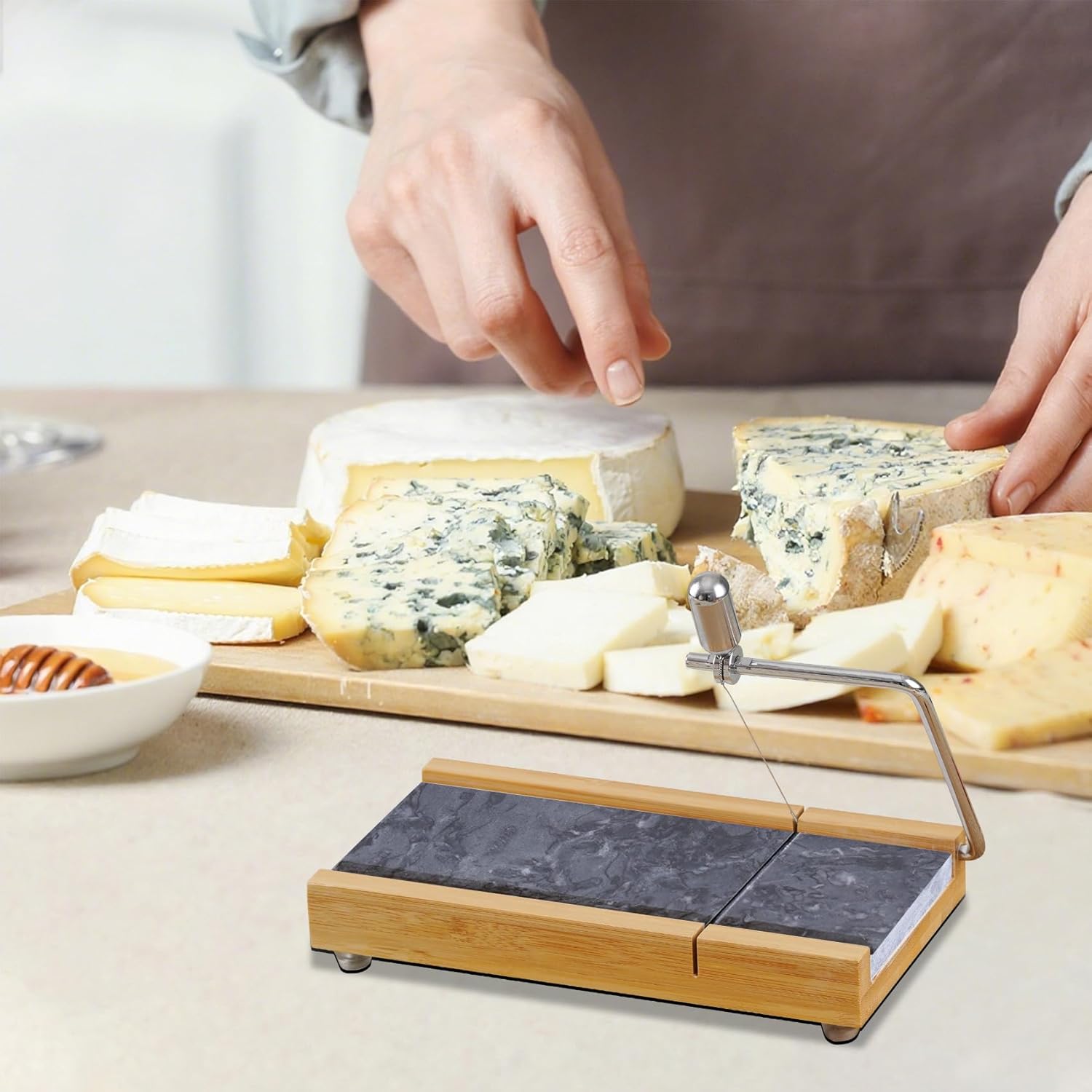
For cheese boards, pair it with fresh grapes, apples, or pears to echo the cheese's fruit-forward profile. Honey-roasted ham or mild cured meats provide savory contrast, while whole grain mustard adds a zesty counterpoint that cuts through the creamy paste.
Storage and Quality
Proper storage is crucial for maintaining Beemster Swiss's quality. Keep it wrapped in cheese paper or parchment in your refrigerator's cheese drawer. The rind is coated with a breathable plastic containing natamycin to prevent mold, but cut surfaces are vulnerable if not stored properly.
Watch for signs of spoilage: any fuzzy growth that's pink, black, or dark green indicates problems. A slimy surface or distinctly bitter, soapy taste means the cheese has degraded. However, don't mistake small white specks for spoilage – these are usually beneficial protein crystals that can develop during proper aging.
Where to Find It in Pagosa Springs
You can find Beemster Swiss at Murray's Cheese inside City Market, where the knowledgeable staff can help you select the perfect piece and suggest complementary items for your cheese board or cooking needs.
Pronunciation Note: It's "BAME-ster," not "BEEM-ster." The Dutch "ee" makes a long "a" sound, like in "tame" or "game."
Sources and Further Reading
- CONO Kaasmakers (Beemster Cheese official website)
- Center for Dairy Research, University of Wisconsin
- UNESCO World Heritage Centre
- American Dairy Science Association
- Pagosa Cheesemongers
