The Science Behind Beecher's Hatch Jack: Where Pacific Northwest Craft Meets New Mexico Fire
This isn't your average pepper jack. Beecher's Hatch Jack combines artisanal cheesemaking with the protected terroir of New Mexico's famous chile valley.
Estimated Reading Time: 4 min
Walk into Murray's Cheese inside City Market, and you'll spot Beecher's Hatch Jack among the specialty selections. But this isn't just another flavored cheese grabbing shelf space. It's a carefully engineered marriage of Pacific Northwest dairy science and New Mexico agricultural heritage, wrapped in a story that spans from Seattle's Pike Place Market to the high desert chile fields of the Rio Grande Valley.

What makes this cheese special isn't just the heat. It's the precision behind every element, from the standardized Holstein-Jersey milk blend to the federally protected Hatch chiles that give it its name.
The Terroir Tale: Why Hatch Chiles Can't Be Faked
Hatch chiles aren't a pepper variety. They're a place. Specifically, a 40-mile stretch of the Rio Grande Valley in southern New Mexico where long green New Mexican chiles (Capsicum annuum) develop their distinctive character. The region's unique terroir creates something you can't replicate elsewhere: mineral-rich alluvial soil, over 300 days of intense high-altitude sunshine at 4,000 feet, and dramatic temperature swings from 100°F days to 60°F nights.
This environmental stress isn't accidental. It forces the plants to concentrate their defenses, boosting antioxidant and capsaicinoid levels. Research from New Mexico State University shows Hatch-grown chiles contain 23% higher concentrations of pyrazines compared to identical seeds grown elsewhere. Those pyrazines deliver the earthy, bell-pepper-like aroma that makes Hatch chiles distinctive.
The protection is legal, too. After years of cheaper counterfeits flooding the market, the Hatch Chile Association secured a federal Certification Mark. New Mexico state law makes it illegal to label chile as "Hatch" unless it's grown in-state or carries a prominent "Not grown in New Mexico" disclaimer. Beecher's sources exclusively certified Hatch chiles, ensuring authenticity.

The Milk Science: Engineering Consistency
Beecher's founder Kurt Beecher Dammeier solved a classic artisan cheese problem: seasonal flavor variation. Most small-batch cheesemakers accept that their product will taste different depending on what the cows ate or the weather patterns. Beecher's took a different approach.
They standardized their dairy herd to a precise 50-50 mix of Holstein and Jersey breeds. Holstein milk provides clean, sweet flavors and high volume. Jersey milk delivers exceptional richness, with higher butterfat and protein content that adds natural nuttiness and structural creaminess. This genetic blend creates a consistent raw material that eliminates seasonal variance while optimizing cheese chemistry.
For their Seattle production, milk comes from Green Acres Farm in Duvall, Washington, where Beecher's owns the entire 200-cow herd and leases them back to the farmers. New York production uses milk from Dutch Hollow Farms upstate. All milk is hormone-free (rBST-free) and antibiotic-free.
Pro Pairing Tip: The high Jersey milk content means this cheese has enough fat to coat your palate and tame the chile heat. That's why it works so well in spicy applications where other cheeses might let the heat overwhelm.
The Washed Curd Method: Creating the Perfect Melt
Hatch Jack's creamy, elastic texture comes from a specific manufacturing technique called the "washed curd" method. After the curd is cut and cooked, cheesemakers drain the acidic whey and replace it with cool, purified water. This washing step extracts soluble lactose, reducing the substrate available for starter cultures to convert into lactic acid.
The result? A higher final pH (typically 5.2 to 5.4) that preserves calcium-to-phosphate cross-links within the casein micelles. Instead of becoming crumbly like aged cheddars, the protein matrix stays elastic and moisture-retentive. That's why Hatch Jack melts into smooth, stretchy perfection rather than separating into greasy pools.
The cheese is aged just 1 to 3 months, intentionally released young to maintain its 44% moisture content and supple characteristics. Compare that to Beecher's signature Flagship cheddar, which ages 15 to 18 months to develop crystalline texture.
Flavor Chemistry: How Fat Tames Fire
The flavor profile starts with a mild, buttery dairy foundation from the high-fat Jersey milk. Real roasted Hatch chiles add complex, earthy, smoky notes with slow-building heat. Lime juice and garlic in the chile preparation contribute bright citrus acidity and savory depth, while Hatch chile powder dispersed throughout provides sustained herbaceousness.
There's profound chemistry at work here. The cheese's butterfat acts as a solvent for the chiles' capsaicinoids, coating your palate and smoothing what would otherwise be sharp, volatile heat. This transforms the sensation into a warm, savory, lingering finish rather than a harsh burn.
Ingredients: Pasteurized cow's milk, salt, microbial rennet, roasted Hatch green chiles, lime juice, garlic, Hatch green chile powder
Perfect Pairings: Wine, Beer, and Beyond
Pairing Hatch Jack requires understanding how different beverages interact with both the creamy butterfat and the capsaicin heat.
Wine: Off-dry whites like Moscato, Gewürztraminer, or Riesling work beautifully. The residual sugar tempers capsaicin while complementing the chiles' natural sweetness. High-acidity whites like Pinot Gris or Sauvignon Blanc cut through the buttery fat coating. For reds, stick to fruit-forward, low-tannin options like Pinot Noir or Zinfandel. Avoid heavy, high-tannin reds like Cabernet Sauvignon, which react with capsaicin to amplify heat perception.
Beer: Porter's roasted malts mirror the smoky chile notes while providing malt sweetness to buffer the spice. Amber ales offer caramel malt sweetness that harmonizes with the creamy base. Clean, crisp pilsners use high carbonation as a mechanical palate cleanser.
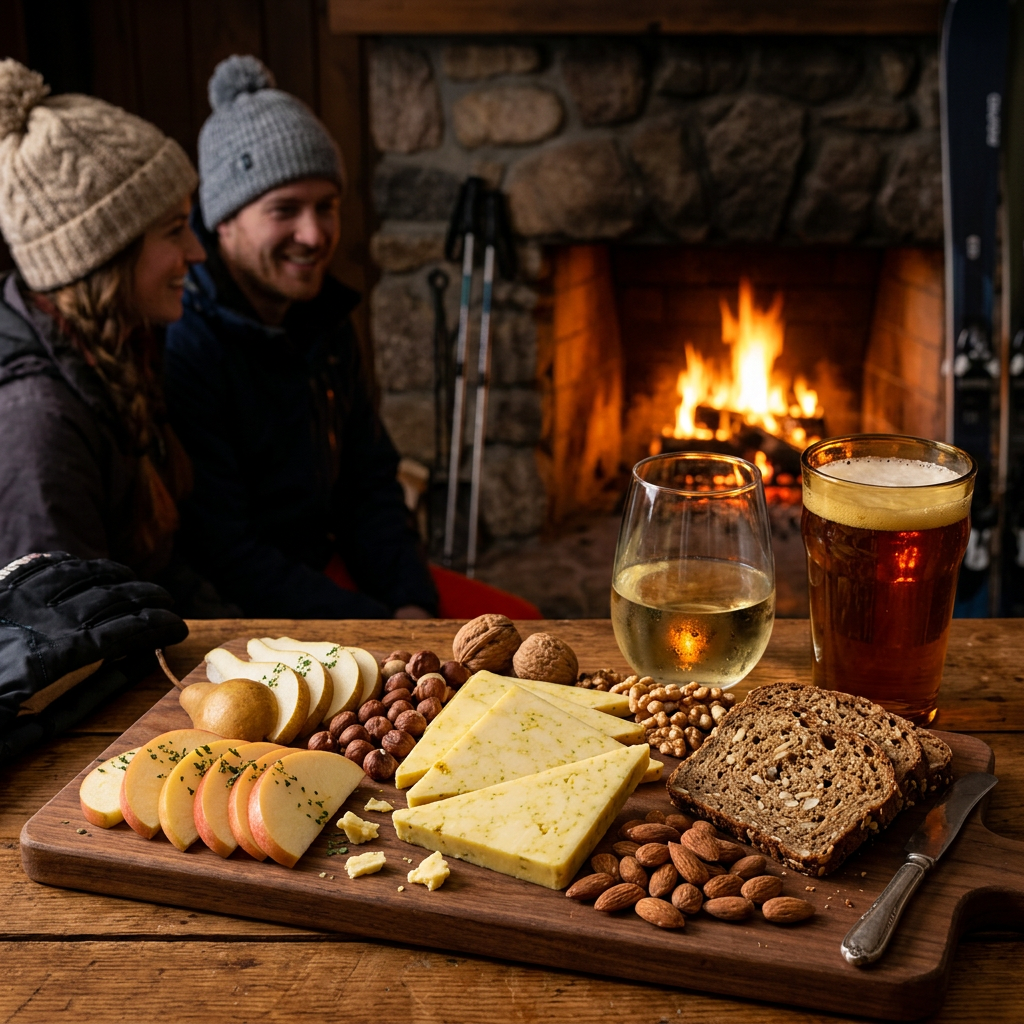
Food: The cheese's superior melting properties make it ideal for hot applications. Try it in a turkey club panini, grated over hash browns, or melted into mac and cheese. For charcuterie boards, pair with fresh fruits like apples or pears, lightly salted nuts, and pumpernickel bread.
Spotting Spoilage: What's Normal vs. Concerning
As a rindless, high-moisture cheese, Hatch Jack should exhibit a mild, creamy aroma with visible green chile flecks throughout. It should never smell like ammonia or show surface mold.
Red flags include white, green, blue, or fuzzy black mold patches (discard the entire block if present), slimy or sticky surface film, strong sour milk or vinegar odors, bitter or rancid flavors, and bloated packaging indicating gas-producing bacteria. Slight surface oiliness at room temperature is normal, but excessive oil separation at cool temperatures indicates quality breakdown.
The Artisan Scale Challenge
Beecher's operates in an interesting space between artisan and industrial. Their glass-walled facilities in Seattle's Pike Place Market and New York's Flatiron District let passersby watch the entire cheesemaking process. To meet national demand while maintaining quality, they also partner with Shullsburg Creamery in Wisconsin, where cheesemakers execute Beecher's exact recipes in public-facing facilities.
Some longtime customers note that rapid scaling has led to a milder, more standardized flavor profile compared to original small-batch runs. It's the eternal challenge in dairy science: maintaining artisanal character at commercial volumes.
Pro Pairing Tip: Store Hatch Jack wrapped in cheese paper or parchment in your refrigerator's cheese drawer. The high moisture content means it's more perishable than aged hard cheeses, so use within a week of opening.
Why It Matters in Pagosa Springs
In a mountain town where comfort food meets outdoor adventure, Hatch Jack bridges familiar and exotic. It's approachable enough for kids' grilled cheese but complex enough for adult palates seeking something beyond basic pepper jack. The New Mexico connection resonates here in the Southwest, while the Pacific Northwest dairy craftsmanship appeals to visitors from urban food scenes.
Whether you're stocking up for a cabin weekend or looking to elevate your après-ski snacks, Hatch Jack delivers the kind of thoughtful flavor that makes ordinary meals memorable. Just remember: this isn't mass-market pepper jack with random hot peppers. It's a carefully crafted expression of two distinct American food regions, available right here at Murray's Cheese.
Sources and Further Reading
- Beecher's Handmade Cheese (beechershandmadecheese.com)
- Hatch Chile Association (certifiedhatch.com)
- New Mexico State University Chile Research
- U.S. Dairy Export Council (thinkusadairy.org)
- USDA Agricultural Marketing Service Standards
