Murray's St. Marks: The Vermont Cheese That Conquered America's Soft-Ripened Dreams
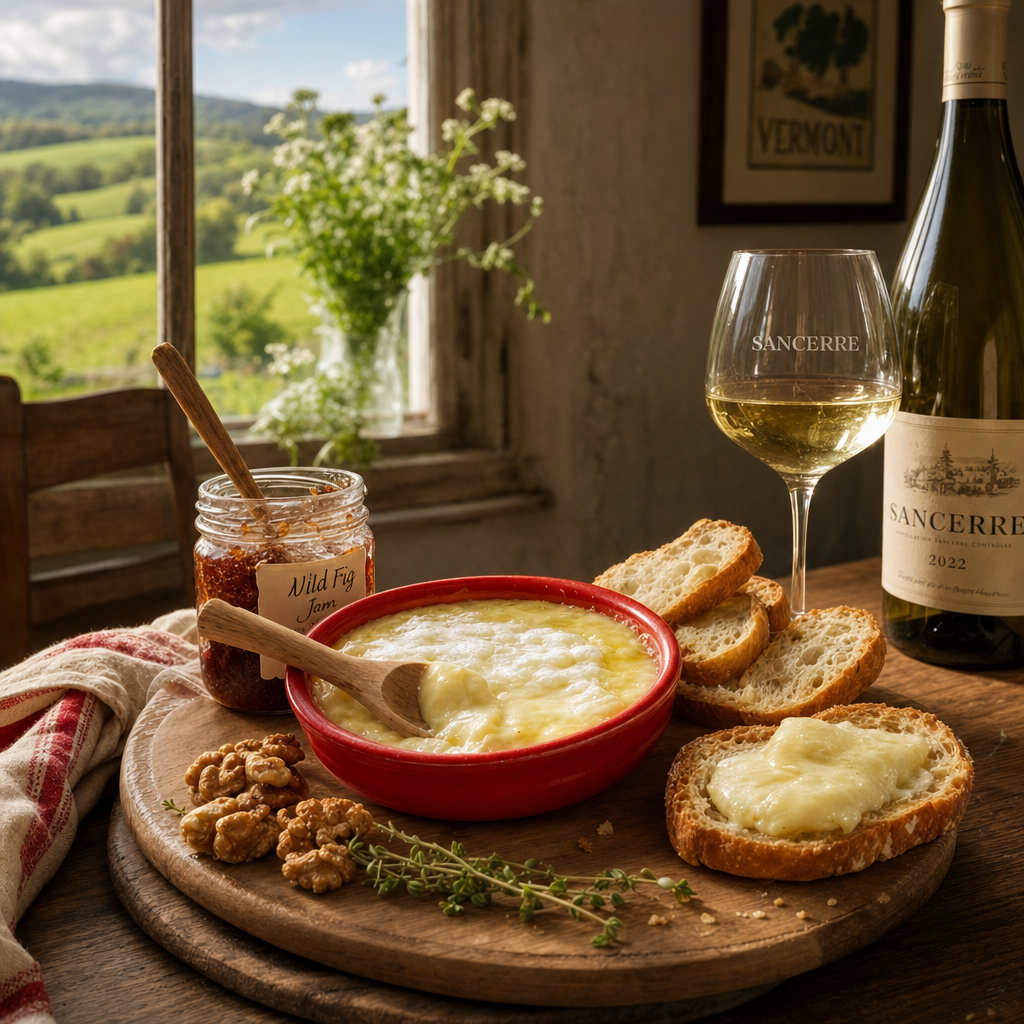
This creamy, unctuous cheese in its signature terra cotta crock represents the perfect marriage of French tradition and American innovation.
Estimated Reading Time: 6 min
If you've ever wondered what happens when Vermont dairy expertise meets New York City cheese ambition, look no further than Murray's St. Marks. This isn't just another soft-ripened cheese sitting in your local grocery store's specialty section. It's a carefully orchestrated collaboration that brings the soul of French Saint-Marcellin to American tables, all while navigating the complex world of FDA regulations and artisanal standards.

Named after St. Marks Place in Manhattan's East Village, this cheese tells a story that stretches from the rolling hills of Vermont to the bustling caves of Long Island City. And yes, you can find it right here in Pagosa Springs at Murray's Cheese inside City Market, where it sits in its distinctive red crock, quietly revolutionizing what American soft cheese can be.
The Vermont Connection: Where Terroir Meets Technique
St. Marks is born in Websterville, Vermont, at Vermont Creamery, a facility that has become synonymous with American artisanal excellence. The choice of Vermont isn't accidental. The state's microclimate, with its nutrient-dense glacial soils and cooling mountain influences, creates conditions remarkably similar to the Alpine foothills of southeastern France where the original Saint-Marcellin originated.
The milk comes exclusively from Paul-Lin Dairy in Bakersfield, Vermont, where a herd of registered Jersey cows provides the rich, high-fat milk essential to St. Marks' character. Jersey milk contains approximately 5% butterfat compared to the 3.5% found in standard commercial milk. This difference isn't just numbers on a label. It's what creates that luxurious, spoonable texture that makes St. Marks so distinctive.
Pro Pairing Tip: The high butterfat content means St. Marks pairs beautifully with crisp, acidic wines like Sancerre or Chablis. The wine's acidity cuts through the richness while complementing the cheese's lactic tang.

The Science Behind the Crock
That terra cotta crock isn't just Instagram-worthy packaging. It's a critical piece of aging infrastructure that regulates moisture and creates a micro-environment for continued maturation. The semi-porous ceramic allows for controlled gas exchange while preventing the high-moisture cheese from "swimming" in its own whey.
As the cheese ages, the area beneath the rind undergoes intense proteolysis, creating what cheesemakers call a "cream line." This translucent, liquid layer gradually encompasses the entire cheese, transforming it from a firm, chalky disk into something you can literally spoon onto crusty bread.
From Lactic Acid to Liquid Gold
St. Marks is what dairy scientists call a "lactic-dominant" cheese. Unlike hard cheeses that rely heavily on rennet to form their structure, St. Marks depends on the gradual acidification of milk over 18 to 24 hours. The process uses pasteurized milk (a necessity for FDA compliance) and microbial rennet, making it suitable for vegetarians.
The cheese undergoes a carefully orchestrated aging process. After 11 days of initial ripening, where Geotrichum candidum mold colonizes the surface, the cheese is placed in its crock for secondary affinage. This continues for 2-3 weeks, during which enzymes from the surface mold migrate inward, breaking down the protein structure and creating that characteristic "oozy" texture.
Terroir Tales: The original Saint-Marcellin was banned from import to the U.S. due to its raw milk status and high moisture content. St. Marks was specifically developed as a domestic alternative that could meet American safety standards while maintaining the essence of the French original.
Reading the Ripeness: A Cheese That Evolves
St. Marks is a living product that continues to change in your refrigerator. In its young stage (2-3 weeks), it presents bright, tangy notes reminiscent of fresh lemon curd and cultured buttermilk. As it matures (4-6 weeks), the acidity mellows and mushroomy, earthy notes emerge from the Geotrichum candidum mold.
In its advanced stage, the cheese can develop more assertive "barnyard" funk and a subtle hint of ammonia on the rind. This isn't spoilage; it's the natural progression of protein breakdown. However, if you notice pink or red mold, black fuzzy growth, or an overly slimy surface, it's time to discard the cheese.
The Perfect Serve: From Cold Snack to Warm Centerpiece
St. Marks shines in multiple serving scenarios. Straight from the refrigerator, it's a sophisticated addition to any cheese board, paired with fig jam, toasted walnuts, and a crusty baguette. But here's where it gets interesting: warm it gently in a low oven, and it transforms into a personal fondue, perfect for dipping bread or vegetables.
The cheese's high moisture content (estimated between 50-58%) means it melts beautifully without breaking or becoming stringy. This makes it ideal for incorporating into warm dishes or simply enjoying as a decadent spread.
Pro Pairing Tip: For beer lovers, try St. Marks with a Belgian saison or farmhouse ale. The beer's earthy, funky yeast character mirrors the Geotrichum rind, while the carbonation cleanses the palate between bites.
Ingredients and Allergen Information
- Milk: Pasteurized cow's milk from Jersey cows
- Rennet: Microbial (vegetarian-friendly)
- Allergens: Contains milk
- Free from: Soy, gluten, eggs
- GMO Status: Conventional (non-GMO certification was discontinued in 2019)
The Murray's Legacy: From Greenwich Village to Kroger
Murray's Cheese began in the 1960s as a small Greenwich Village shop founded by Murray Greenberg. In 2017, the company was acquired by Kroger, the largest supermarket chain in the U.S. This acquisition allowed artisanal cheeses like St. Marks to reach over 800 locations nationwide, making high-end cheese accessible to mainstream audiences.
The collaboration between Murray's and Vermont Creamery represents a new model in American artisanal production: combining small-batch craftsmanship with large-scale distribution capabilities. St. Marks has earned recognition at American Cheese Society competitions, cementing its status as a world-class domestic cheese.
Pronunciation Guide
St. Marks: SAYNT MAHRKS (with equal emphasis on both words)
Storage and Serving Tips
Store St. Marks in its original crock in the refrigerator. Remove it 30 minutes before serving to allow it to come to room temperature, which enhances both flavor and texture. The cheese has a total shelf life of approximately 80 days from production, but it's most enjoyable within the first 40 days when the balance between acidity and creaminess is optimal.
If you detect a slight ammonia smell, let the cheese breathe at room temperature for 30 minutes. This should dissipate the odor, which is simply trapped gases from the natural aging process.
The Pagosa Springs Connection
Here in Pagosa Springs, where we appreciate both artisanal quality and practical accessibility, St. Marks represents the best of both worlds. Whether you're planning a sophisticated dinner party or simply want to elevate a quiet evening at home, this cheese delivers restaurant-quality experience without the restaurant prices.
The next time you're at City Market, look for that distinctive red crock in the Murray's Cheese section. You're not just buying cheese; you're bringing home a piece of American artisanal innovation that honors French tradition while embracing Vermont terroir.
St. Marks proves that American cheesemaking has truly come of age. It's a cheese that respects its European inspiration while confidently establishing its own identity. In a world of mass-produced dairy products, it stands as a testament to what's possible when traditional techniques meet modern standards and passionate craftsmanship.
Sources and Further Reading
- Vermont Creamery - Official producer information and production methods
- Murray's Cheese - Brand history and distribution details
- American Cheese Society - Competition results and industry standards
- Culture Cheese Magazine - Technical analysis of Saint-Marcellin style cheeses
- Cheese Scientist - Geotrichum candidum and surface mold development