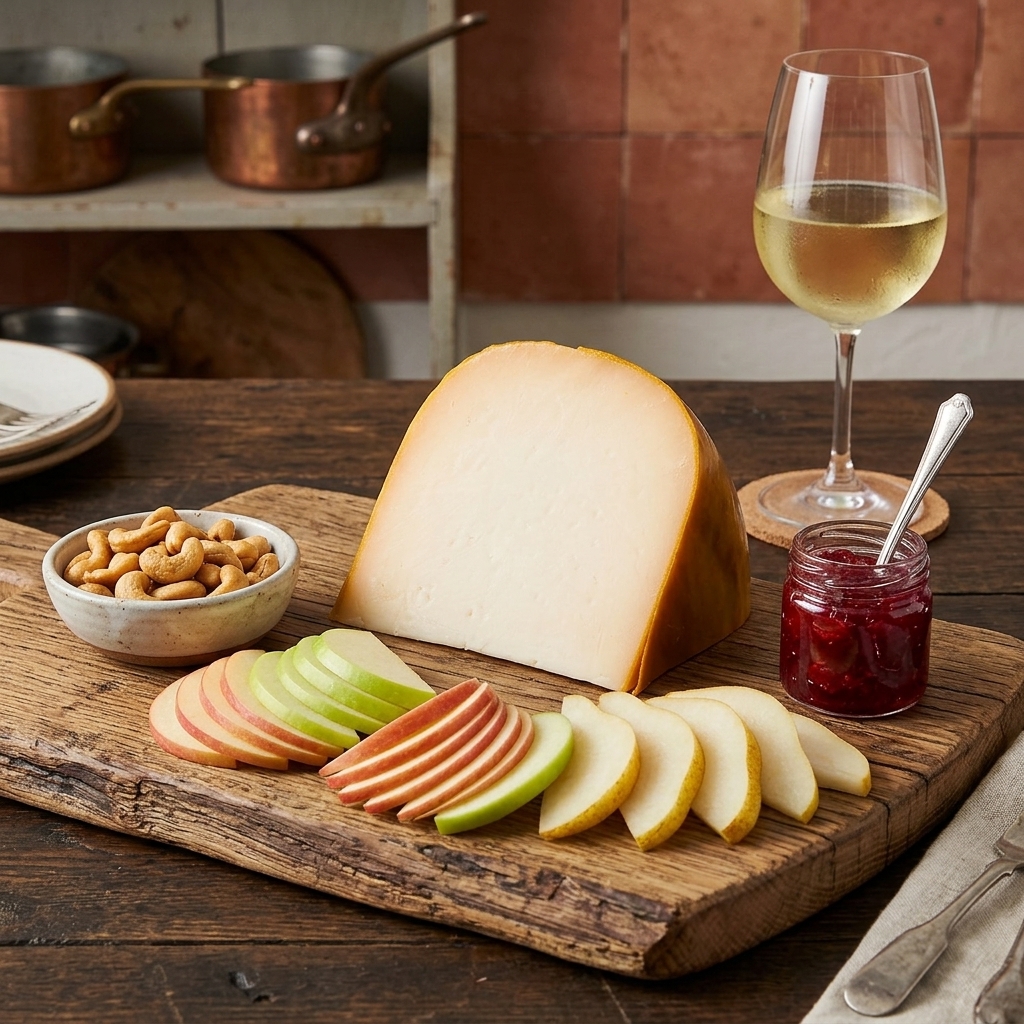
The Sweet Science Behind Murray's Honey Goat Gouda
What happens when Dutch cheesemaking tradition meets the creamy richness of goat milk and a touch of golden honey? You get Murray's Honey Goat Gouda, a cheese that has earned international acclaim and a devoted following among cheese lovers from the Netherlands to Pagosa Springs.
This isn't your typical goat cheese. While many people associate goat cheese with the tangy, crumbly texture of fresh chèvre, this Gouda-style creation offers something entirely different: a dense, smooth paste with an ultra-creamy mouthfeel that melts on your tongue like a vanilla milkshake.
A Tale of Two Countries: Dutch Heritage, Danish Precision
Murray's Honey Goat Gouda represents a fascinating example of modern European dairy collaboration. While the cheese follows traditional Dutch Gouda-making techniques, its production involves a sophisticated supply chain linking the historic polders of the Netherlands with advanced dairy processing facilities in Denmark.

The primary exporter, Cheeseland-Holland B.V., operates from Bussum in the Netherlands, but specific import documentation often identifies Denmark as the country of origin. This distinction typically indicates where the milk processing and initial maturation phases occur for export lots destined for North American markets.
The Netherlands serves as the spiritual and technical epicenter for Gouda-style cheeses. The Dutch polder system provides a unique terroir characterized by mineral-rich, saline-influenced pastures. In regions like Overijssel and North Holland, the soil's peaty composition directly impacts the nutritional profile of the forage, which influences the lipid and protein concentrations in the goat milk.
Pro Pairing Tip: The terroir-driven approach means this cheese pairs beautifully with wines that complement its mineral undertones. Try it with a crisp Sauvignon Blanc to highlight both the honey sweetness and the subtle earthiness from the Dutch pastures.
The Goat Milk Difference: Why White is Right
This cheese is made from 100% caprine (goat) milk, a choice that fundamentally shapes its character. Goat milk differs from cow milk in several critical ways that directly impact the final product.

First, there's the color. While aged cow's milk cheeses develop a characteristic yellow or golden hue from beta-carotene, goats efficiently convert beta-carotene into colorless Vitamin A. The result? A pristine, snowy white interior paste that serves as a hallmark of authenticity for pure goat milk products.
Second, goat milk naturally contains smaller fat globules, typically ranging from 1.5 to 3.5 micrometers compared to cow milk's 3.0 to 4.5 micrometers. This smaller size creates a more naturally homogenized state, facilitating easier digestion and contributing to that signature creamy mouthfeel.
Terroir Tales: The milk comes from Dutch White Goats, a breed developed around 1900 by crossing hardy native Dutch Landrace goats with high-production Swiss Saanen goats. These "Holsteins of the goat world" can produce between 1,100 and 1,500 kilograms of milk per lactation cycle, with consistent milk-fat levels of 3-4%.
The Honey Infusion: More Than Just a Sweet Addition
What sets this Gouda apart from other flavored cheeses is its sophisticated honey integration. Rather than simply coating the surface, the cheesemakers use a dual approach: honey powder (typically 1%) is added directly to the milk or curd during early production stages, and the exterior wheels are washed with fresh honey during the maturation process.
This technique ensures the sweetness is thoroughly unified with the goat milk, creating what fromagers describe as a "dynamic duo" where the honey serves to subdue the natural tanginess associated with goat milk. The result is a cheese with pronounced roasted cashew nuttiness and a sweet warmth reminiscent of caramel and butterscotch.
The Washed-Curd Method: Creating Creamy Perfection
The production follows the traditional Dutch washed-curd process, which involves removing a portion of the whey during production and replacing it with warm water. This technique effectively "washes" away excess lactose and lactic acid from the curds, resulting in less sugar available for starter cultures to convert into acid.
The higher pH and greater moisture retention capacity allow the cheese to maintain its pliable, creamy texture even after several months of aging. With a moisture content capped at 42.5% and fat content of 48-50% in dry matter, this creates the luxurious mouthfeel that enthusiasts compare to a vanilla milkshake.
Ingredients: Cultured pasteurized goat's milk, salt, honey powder, vegetable rennet, natural flavors. Contains milk. Vegetarian, gluten-free, and keto-friendly.
Aging: The Four to Six Month Sweet Spot
Murray's Honey Goat Gouda typically ages for 4-6 months, though premium wheels may mature for up to 10 months. During this time, the cheese undergoes two primary biochemical transformations:
Proteolysis breaks down casein proteins, softening the texture and producing savory umami notes. This creates the dense, smooth consistency that makes the cheese so appealing.
Lipolysis breaks down milk fats into free fatty acids. In goat milk, this can produce sharp tang, but the 6-month aging period is precisely timed so the honey infusion mellows these acids, resulting in sweet warmth rather than biting acidity.
The cheese is stored in climate-controlled environments where temperature (10°C-13°C) and humidity are strictly regulated, often in historic warehouses or modern "caves" that replicate traditional aging conditions.
Award-Winning Excellence
This isn't just a crowd-pleaser; it's a competition winner. Marketed internationally under the "Honey Bee Goat" brand, it achieved second prize at the prestigious World Cheese Competition in Madison, Wisconsin, scoring an impressive 99.5 points out of 100 in the Flavored Semi-soft Goat's Milk Cheese category.
Perfect Pairings: From Wine to Beer to Food
The cheese's balanced sweetness and creamy texture make it incredibly versatile for pairing. For wine lovers, crisp whites like Sauvignon Blanc provide vibrant acidity that cuts through the richness while highlighting the honey undertones. Light reds like Pinot Noir offer bright fruit notes that harmonize with the roasted cashew flavors.
Beer enthusiasts should try it with a German Helles Lager, whose bready, honey-like malt profile provides a "game-changing" complement to the honey infusion. Belgian Saisons work beautifully too, with their high carbonation and peppery yeast notes slicing through the fat while complementing the tangy goat milk.
Pro Pairing Tip: For food pairings, try fresh apples or pears for textural contrast, roasted cashews to reinforce the nutty character, or cherry preserves to enhance the sweet notes. It melts beautifully, making it perfect for gourmet grilled cheese or melted over burgers.
Storage and Spoilage: Keeping It Fresh
As a semi-hard cheese, Honey Goat Gouda is more resilient than fresh chèvre but still requires proper storage. Watch for spoilage signs including sharp ammonia odors (indicating advanced protein breakdown), fuzzy mold growth in black, green, or bright orange, or the development of a sticky, slimy film on the surface.
If you spot surface mold, you can often salvage the cheese by cutting away at least one inch around and below the affected area, provided the rest of the paste remains intact.
Where to Find It in Pagosa Springs
Residents and visitors to Pagosa Springs can find Murray's Honey Goat Gouda at Murray's Cheese inside City Market, where the knowledgeable staff can help you select the perfect wheel and suggest complementary items for your cheese board.
Pronunciation Guide
For those wondering about pronunciation, "Gouda" can be said two ways: the Americanized "GOO-duh" (standard in North American retail) or the authentic Dutch "HOW-duh" with a guttural "G" sound. Either way, you'll be talking about one of the most approachable and delicious goat cheeses available today.
Whether you're a longtime goat cheese lover or someone who typically shies away from caprine varieties, Murray's Honey Goat Gouda offers a perfect introduction to the sweet, creamy possibilities of artisanal Dutch cheesemaking. Its award-winning profile and kid-friendly appeal make it a versatile addition to any cheese lover's repertoire.
Sources and Further Reading
- Pagosa Cheesemongers - Comprehensive Gouda cheese information
- Cheeseland-Holland B.V. - Technical specifications and production details
- World Cheese Competition - Award recognition and scoring
- Baldor Specialty Foods - Import and distribution information
- Murray's Cheese - Retail availability and product details