Estimated Reading Time: 7 min
A Dutch Gouda With a Different Kind of Milk
Artikaas Holy Sheep Gouda comes from the Netherlands and is made with 100% sheep’s milk sourced from Dutch family farms. It follows the washed-curd tradition that gives Gouda much of its mellow character, but the milk brings a richer starting point.
There is a useful distinction on the label. The protected European names Gouda Holland and Noord-Hollandse Gouda apply to cheeses made with cow’s milk under specific rules. A Dutch sheep’s milk Gouda falls outside those designations. That does not make it an impostor. Gouda is also a widely used name for a style of cheese, not just a protected regional label.

Think of Holy Sheep as a familiar recipe spoken with a different accent.
Terroir Tale: Tradition Leaves Room for Sheep
Dutch cheesemaking is closely tied to cows, yet the same basic craft can produce a very different cheese when the milk changes. Holy Sheep’s appeal lies in that contrast: the sweet, nutty direction of aged Gouda with the richness and pale color of sheep’s milk cheese.
What Sheep’s Milk Brings to the Wheel
Sheep’s milk generally contains more fat and protein than cow’s milk. The exact amounts vary with breed, feed and season, but the difference matters in the cheese vat. More milk solids mean more material to form curds, build texture and develop flavor during aging.
For you, the result is less about dairy chemistry and more about the bite: dense, rich and creamy as it warms in your mouth.

The pale ivory color also comes largely from the milk. Sheep convert much of the beta carotene in their diet into vitamin A, so their milk lacks the yellow tint often associated with cow’s milk fat. A pale wedge is normal here, not a sign of timid flavor.
Ingredients and Dietary Details
The key components are pasteurized sheep’s milk, cheese cultures, salt and microbial rennet. Always check the package for the current ingredient list.
- Milk type: Sheep’s milk, not a blend with cow’s milk.
- Rennet: Microbial, a nonanimal coagulant that makes the milk set into curds. It suits vegetarians who eat dairy.
- Allergen: Contains milk. Sheep’s milk cheese is not a safe substitute for someone with a cow’s milk protein allergy without medical guidance.
- Lactose: Aging and curd washing reduce lactose, but do not assume the cheese is lactose-free unless the label confirms it.
Rich milk does not automatically make a cheese healthier than its neighbors. For calories, sodium, saturated fat and serving size, the package label is the useful guide.
Pasteurization, Curd Washing and Nine Months of Patience
Holy Sheep is made with pasteurized milk. Pasteurization uses controlled heat to reduce harmful microbes while preserving the milk’s ability to form a good curd. A common method heats milk to about 161 degrees Fahrenheit for at least 15 seconds, though approved methods vary.
Pasteurized does not mean sterile, and the finished cheese still needs proper refrigeration and clean handling.
Once cultures and rennet have done their work, the Gouda technique takes an important turn: Some whey is removed and replaced with warm water. This is curd washing. It removes some lactose, the milk sugar that bacteria turn into lactic acid.
Less available lactose limits acid development. That helps explain why Gouda often tastes mellow and sweet rather than sharply tangy. No spoonful of caramel is required.
The pressed cheese then ages for at least nine months. Cheesemakers call this ripening stage affinage, which simply means the care and maturation of cheese. During that time, moisture declines and enzymes break proteins and fats into smaller compounds that shape flavor and texture.
Holy Sheep belongs in several categories at once: aged, washed-curd, sheep’s milk and firm-to-hard specialty cheese. Gouda can be softer when young; this wheel has had time to become denser and more crumbly. Its firm texture is more useful to a shopper than an assumed moisture percentage.
Expect Brown Butter, Nuts and a Little Crunch
Holy Sheep’s flavor centers on nutty sweetness, with notes that suggest brown butter, toffee and caramel. Those are tasting descriptions, not added ingredients. A savory finish keeps the sweetness from becoming cloying.
You might also notice a gentle haylike aroma. Do not expect the forceful tang of every aged cheddar or the salty punch of Pecorino Romano. Holy Sheep occupies its own space, though fans of either may find plenty to like.
The texture is firm and dense, with a grainy edge and pockets of crunch. Despite that firmness, the rich paste softens pleasantly as you chew. Near the rind, it may be drier and more brittle.
Those little crunchy flecks deserve a closer look.
Definition: Cheese Crystals
As cheese ages, proteins break down and release amino acids. One of them, tyrosine, can collect into small, hard crystals. These are common in aged Gouda and help explain its appealing crunch. Calcium lactate can also form crystals in cheese.
Firm crystals within the paste are not the same as fuzzy mold. They add texture and reflect changes during ripening, but they are not a guarantee of quality by themselves.
Taste It Before You Build the Board
Whether you are unpacking groceries at home or putting together dinner in a Pagosa Springs vacation rental, start small. A wedge, an apple and a knife will tell you more than a crowded platter.
- Cut only what you plan to serve. Leave the rest refrigerated.
- Remove the inedible wax coating. The firm cheese just beneath it is still edible if sound. You do not need to discard it merely because it is dry.
- Let the serving portion warm slightly. About 20 to 30 minutes is often enough to make its aroma and texture easier to appreciate.
- Taste a plain piece first. Notice the sweetness, salt, savory finish and crunch.
- Add one accompaniment at a time. This makes it easier to find what you actually enjoy.
For local shopping, ask at Murray’s Cheese inside City Market about Holy Sheep and current availability. A small cut is a sensible first purchase, especially if you are buying cheese for a short stay.
Wine: Start With Chardonnay
Chardonnay is a natural first choice, and it is a pairing Artikaas recommends. The style you choose changes the experience.
Unoaked Chardonnay brings apple, pear and citrus notes with refreshing acidity. It offers contrast to the cheese’s richness. If you want a clean, lively pairing, begin here.
Moderately oaked Chardonnay takes the matching route. Its butter, vanilla and toast notes can echo the cheese’s brown-butter character. Heavy oak may dominate, so restraint helps.
Pinot Noir is a friendly red option. Look for bright fruit and moderate tannins. Cherry and berry notes play a role much like fruit on a cheese board. Bigger reds can work with aged cheese, too, but they are not the easiest starting point for noticing this Gouda’s finer details.
Pro Pairing Tip
Try the cheese, take a sip, then taste the cheese again. A good pairing should make you want another bite, not require an explanation of why you ought to like it.
Beer: Follow the Malt
A porter or stout can pick up Holy Sheep’s toasted, nutty notes with flavors of coffee, cocoa and roasted grain. A dry stout gives contrast; a stronger, sweeter stout makes the pairing feel more like dessert. Serve a small pour of the latter so it does not take over.
Amber ale is an easygoing option, with caramel malt flavors that suit the cheese without much fuss. A Belgian dubbel adds dried-fruit notes, often suggesting raisins or plums, alongside a rich malt base.
For a first pairing, I would choose an amber ale or porter over a very bitter IPA. The malt gives you a clearer connection to the cheese.
Skipping alcohol? Try sparkling water with crisp apple slices, or a modest pour of tart apple cider.
Food Pairings, From a Simple Board to Supper
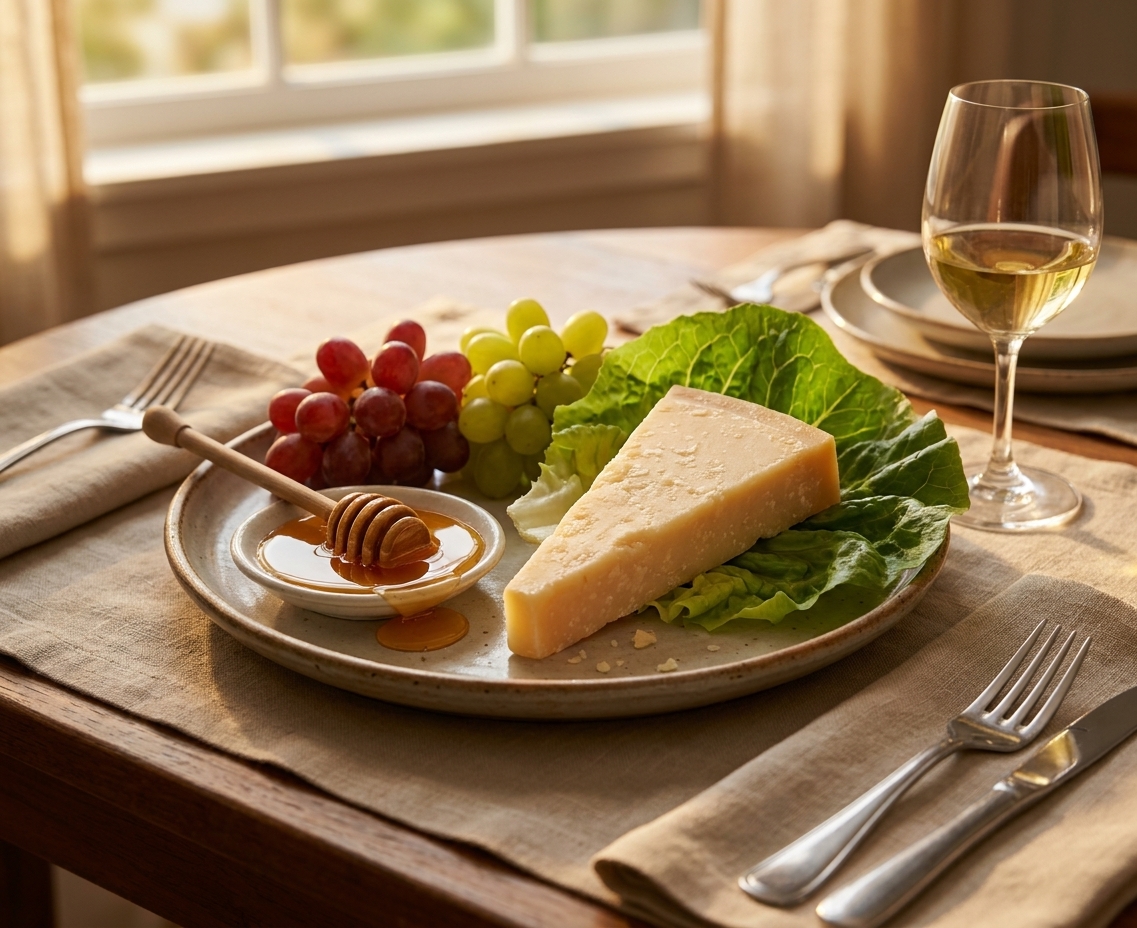
Fresh apples, firm pears and grapes bring juice and freshness to a dense bite of cheese. Toasted walnuts or almonds reinforce its nutty side. A little honey can be lovely, but taste before pouring. This Gouda already has sweetness to spare.
Prosciutto or salami will make a fuller board. Add plain bread or crackers rather than heavily seasoned ones, and keep the cured meat portion modest so salt does not dominate.
Holy Sheep is also useful beyond the board:
- Shave it over roasted carrots, squash or potatoes. Add the cheese after roasting so its flavor stays distinct.
- Grate it over pasta. Expect a sweeter, less sharply salty result than with Pecorino Romano.
- Use it in a grilled cheese or panini. Grate it finely and cook gently. For a more reliable stretch, blend it with younger Gouda, since aged cheese may melt less smoothly.
- Finish a winter salad. Thin shavings work well with apples, toasted walnuts and a tart vinaigrette.
After a cold day around Pagosa Springs, roasted vegetables topped with this cheese make a convincing argument for staying in.
Storage: Know the Difference Between Crunch and Trouble
Wrap a cut wedge in cheese paper or parchment, then place it in a covered container or loosely closed bag. Refrigerate at 40 degrees Fahrenheit or below. Keep the wrap clean and replace it if damp or soiled. Pagosa’s dry air is no friend to an uncovered wedge.
Normal features include a dry, brittle edge and hard crystalline specks within the paste. Warning signs include slime, unexpected discoloration, fuzzy growth or a strong rancid or ammonia-like odor. Do not taste suspicious cheese to test it. Smell alone also cannot establish safety.
For a solid block of hard cheese with a small surface mold spot, USDA guidance allows cutting away at least 1 inch around and below the mold, keeping the knife out of it. A small retail wedge may not leave enough room. Discard moldy shredded, crumbled or sliced cheese, and return or discard cheese with extensive growth or mold beneath damaged wax.
For summer outings along the San Juan River, use a cooler with ice packs. Keep serving time out of refrigeration within two hours, or one hour when the temperature is above 90 degrees.
A Playful Name, a Serious Cheese
Holy Sheep’s name gives you permission to smile before you taste it. The cheese also earned gold in the semi-hard ewe’s milk category at the 2024 World Cheese Awards. A medal is a useful introduction, though your own palate gets the deciding vote.
At the counter, try AR-tih-kahs HOH-lee SHEEP GOW-duh. The familiar American GOO-duh will work, too. Dutch pronunciation uses a throaty opening sound closer to HOW-duh than most English speakers attempt.
No pronunciation exam required. Buy a small wedge, cut an apple and see what nine months can do.
Sources and Further Reading
- Holy Sheep, Artikaas. Product details, tasting notes and awards.
- Milk Composition, Food and Agriculture Organization of the United Nations. Differences among milk species.
- Pasteurisation Makes Milk a Safe Food, German Federal Institute for Risk Assessment. Heat treatment and milk safety.
- What You Need to Know About Aged Cheeses and Tyrosine Crystals, culture: the word on cheese. The science behind cheese crunch.
- Molds on Food: Are They Dangerous?, USDA Food Safety and Inspection Service. Safe handling of moldy foods.