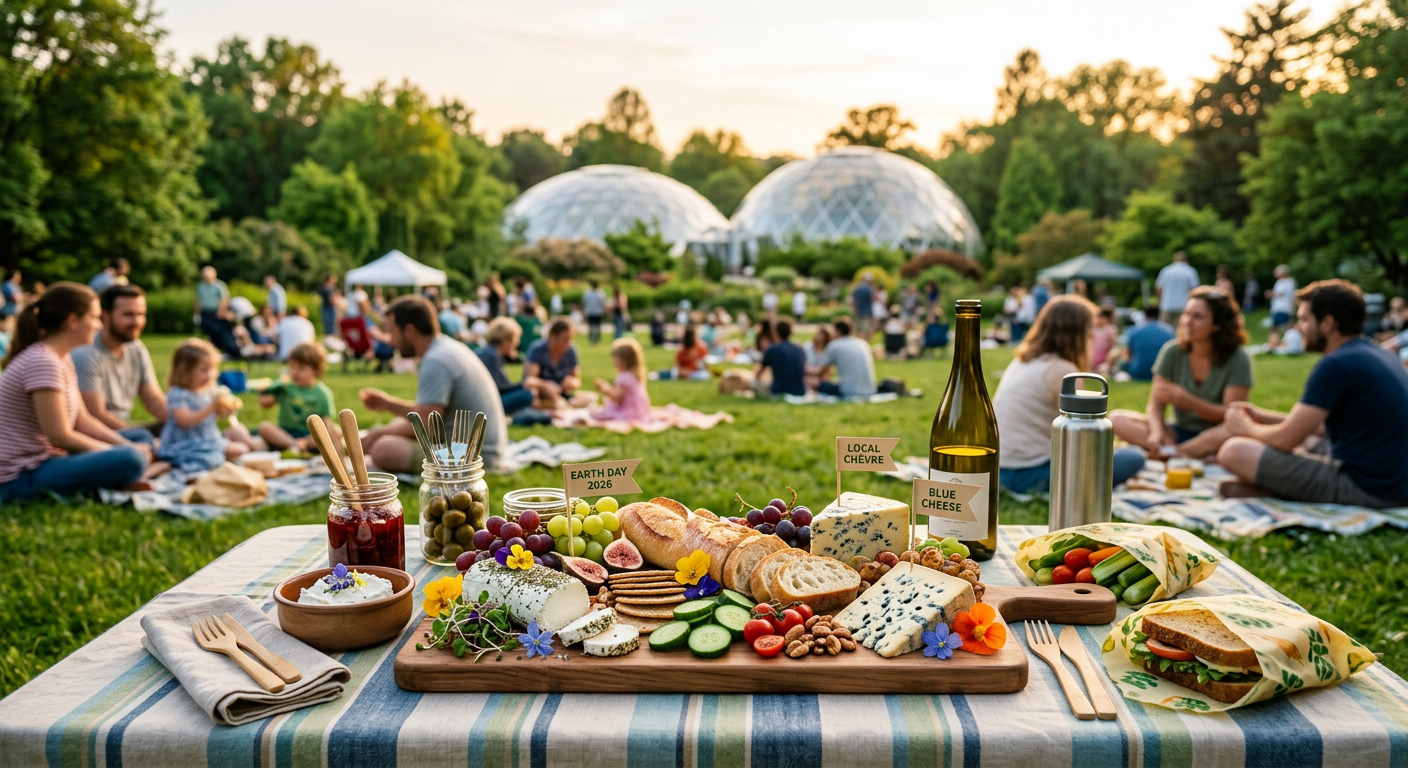
Celebrate Earth Day 2026 with Climate-Smart Cheese Choices
Discover how to enjoy your favorite cheeses while supporting regenerative agriculture and carbon-neutral producers this Earth Day.
Estimated Reading Time: 12 min
As Earth Day 2026 approaches, cheese lovers face a delicious dilemma: how do you honor the planet while indulging in one of humanity's most beloved foods? The answer lies in understanding the environmental footprint of different cheeses and supporting producers who are pioneering sustainable practices. While cheese production is notoriously carbon-intensive, a growing number of artisans are proving that exceptional flavor and environmental stewardship can go hand in hand.

Understanding Cheese's Environmental Impact
The carbon footprint of cheese varies dramatically based on several key factors. Ruminant animals like cows, sheep, and goats produce methane during digestion, a greenhouse gas that's more than 80 times more potent than carbon dioxide in its first two decades. Additionally, it takes approximately 10 pounds of milk to produce just one pound of hard cheese, making cheese the third-highest carbon emitter among common protein sources, behind only lamb and beef.
However, the story isn't uniform across all cheeses. The environmental impact depends on the animal species, cheese density, aging process, and most importantly, the farming practices employed by the producer.
Species-Specific Carbon Footprints
Contrary to popular belief, smaller ruminants don't always mean smaller carbon footprints. Research reveals surprising differences in emissions per unit of protein produced:
- Cow milk: 1.0-3.2 kg CO2 equivalent per kg of milk protein
- Goat milk: 2.12-2.73 kg CO2 equivalent per kg of milk protein
- Sheep milk: 2.87-3.99 kg CO2 equivalent per kg of milk protein
While sheep milk has the highest emissions per liter, it contains significantly more protein and fat, requiring fewer liters to make cheese. This partially offsets the higher initial emissions, though sheep cheeses often remain the most carbon-intensive option.

Pro Pairing Tip: Choose soft cheeses over hard ones when possible. Fresh cottage cheese requires only 4 liters of milk per kilogram, while aged Parmesan needs 9-10 liters plus energy-intensive aging in climate-controlled rooms.
Champions of Sustainable Cheesemaking
Several pioneering producers are leading the charge toward carbon-neutral dairy operations through innovative technology and regenerative practices.
Global Sustainability Leaders
Beemster (Netherlands) became the first Dutch climate-neutral dairy in 2020 through comprehensive sustainability measures. They use heat recycling systems where warm whey flows past cold milk in tubes, simultaneously heating the milk and cooling the whey. Their facilities are built from sustainable materials, and they offset remaining emissions through forest conservation projects in Brazil.
Rumiano Cheese Company (California) focuses on 100% grass-fed production from cows grazing year-round on California's Redwood Coast, which receives over 100 inches of annual rainfall. This eliminates the need for water-intensive irrigation systems while supporting regenerative practices that have been used by their small family farms for generations.
Wyke Farms (UK) produces the world's first carbon-neutral cheddar through their "Ivy's Reserve" line. They've implemented waste-to-biogas systems that convert farm waste into renewable energy.
Terroir Tales: Point Reyes Farmstead Cheese Co. and Quattro Portoni in Italy have invested in methane digesters that capture gases from manure and convert them into usable biogas. Additionally, emerging seaweed-based feed supplements show promise in reducing cattle methane production by up to 82%.
Local Heroes: Southwest Colorado's Regenerative Ecosystem
In the Durango and Pagosa Springs region, the philosophy of "Healthy Soil = Healthy Grass = Healthy Animals = Healthy Humans" drives local cheese production.
James Ranch: Seasonal Perfection
James Ranch in the Animas Valley produces 100% grass-fed, raw farmstead cheeses exclusively when their Jersey cows graze on green grass. This seasonal approach captures peak nutritional and flavor profiles while preserving vital enzymes and vitamins often destroyed during pasteurization.
Their signature "Belford" cheese demonstrates how aging transforms flavor. Young Belford (90 days) offers mild creaminess, while Reserve Belford (3 years) develops amino acid crystals and butterscotch notes reminiscent of aged Gouda. By rotating their herd to new pasture daily, James Ranch builds topsoil and sequesters carbon, turning dairy operations into land restoration tools.
Ska Brewing: Circular Innovation
Ska Brewing in Durango exemplifies circular sustainability through partnerships with local agriculture. They've eliminated approximately four tons of annual plastic waste by transitioning from plastic can collars to paperboard solutions. Their spent grain, brewing's largest byproduct, becomes compost through Table to Farm Compost, reducing methane emissions from landfills while supporting local soil health.
Ingredients: When shopping for sustainable cheese, look for certifications like American Humane Certified, organic, or B Corp status. These indicate comprehensive sustainability practices beyond just carbon reduction.
Earth Day 2026 Celebrations in Pagosa Springs
Pagosa Springs offers robust Earth Day programming coordinated by the Southwest Organization for Sustainability (SOS) and the Geothermal Greenhouse Partnership (GGP):
- Pagosa Springs Earth Day Film Fest (Wednesday, April 22): Environmental films at Liberty Theatre
- Community Celebration at Centennial Park (Sunday, April 26, 9 AM-3 PM): Earth Blessing, Sound Bath, Community Tea Gathering, and tours of GGP Education Domes showcasing geothermal-grown vegetables
Creating the Perfect Earth Day Cheese Board
Celebrate with a "Planet vs. Plastics" themed board using Earth's natural colors:
Blue and Green Aesthetics
Greens: Steamed broccoli "bushes," cucumber "roses," green grapes, snap peas, with pretzel twists as "tree trunks"
Blues: Blueberries, blackberries, blue corn chips, and blue-veined cheeses like Rogue Creamery's Caveman Blue
Spring Seasonal Selections
April marks the return of goats to lush fields, making chèvre the quintessential spring cheese:
- Chèvre: Base cheese capturing wildflower grazing flavors
- Honeycomb: Natural sweetness supporting local pollinators
- English Peas: Fresh crunch from quick-growing, low-impact crops
- Radishes: Peppery contrast from minimal-processing produce
- Fresh Herbs: Home-grown mint and basil reducing transport emissions
Pro Pairing Tip: Include edible flowers like nasturtiums, pansies, and marigolds for aesthetic appeal without plastic decorations.
Zero-Waste Cheese Mastery
Maximize your cheese investment by utilizing every part, including rinds rich in glutamates, calcium, and bioactive peptides.
Rind Categorization for Reuse
Natural Rinds (Parmigiano-Reggiano, aged Gouda): Dense casein matrix perfect for simmering in broths at 85°C for 15+ minutes
Washed Rinds (Taleggio, Limburger): Use sparingly in compound butters or quick sauces; avoid prolonged cooking
Bloomy Rinds (Brie, Camembert): Safe to consume fresh; avoid freezing as it releases unpleasant ammonia flavors
Essential Zero-Waste Recipes
Parmesan Broth: Simmer one pound of Parmesan rinds with aromatics in 8 cups water for 2.5 hours. Freeze in cubes for deglazing or risotto base.
Parmesan Dust: Dehydrate hard rinds at 45°C for 10 hours, then grind. This seasoning contains 2.1 times more calcium and 1.7 times more glutamate than commercial grated Parmesan.
Rind-Infused Oil: Grate rinds into olive oil and infuse at 45°C for 72 hours for shelf-stable finishing oil.
Plastic-Free Storage Solutions
Maintain cheese quality without environmental compromise:
Parchment Wrapping: Use unbleached parchment (not wax paper) to allow cheese to "breathe" while preventing dehydration
Glass Container Method: Place parchment-wrapped cheese in airtight glass containers at 4°C for up to 32 days
Oil Coating: Rub cut surfaces with olive oil to create protective barriers against mold
Beeswax Wraps: Reusable, zero-waste option for long-term storage
Sustainable Beverage Pairings
Elevate your Earth Day celebration with environmentally conscious drink selections.
Craft Beer Chemistry
Beer's carbonation acts as a palate cleanser, scrubbing fat and preparing for the next bite:
- Hoppy IPAs: Complement sharp Cheddars and fresh goat cheeses
- Malty Lagers: Enhance toasty notes in Goudas and Alpine cheeses
- Yeasty Saisons: Perfect with bloomy-rind and aged sheep's milk cheeses
Colorado options include Asher Brewing (Boulder's first organic craft brewery) and Ska Brewing (Durango).
Organic Wine Selection
Biodynamic farming treats vineyards as complete ecosystems, often integrating sheep for natural weeding and fertilization:
- Sustainable Sauvignon Blanc: Highlights tangy citrus notes in soft goat cheese
- Organic Malbec: Bold contrast for aged Cheddar's sharpness
- Sweet Riesling: Balances salty, pungent blue cheese profiles
Featured Recipe: Spring Pea and Ricotta Torte
This sophisticated centerpiece showcases the synergy between fresh spring produce and creamy dairy.
Technique
- Preparation: Sauté half the shelled peas with shallots in butter until tender, then purée with ricotta and nutmeg
- Emulsion: Whisk in eggs and crème fraîche for structure
- Assembly: Fold in remaining whole peas, grated Parmigiano-Reggiano, young Pecorino, mint, and lemon zest
- Baking: Bake in springform pan at 375°F for 30-35 minutes until puffed and golden
Serve warm or at room temperature, perfect for garden parties or picnics.
Pro Pairing Tip: For a simpler version, toss raw sugar snap peas with herb vinaigrette and pile atop creamy ricotta for a no-cook starter that highlights seasonal produce.
Building Your Sustainable Cheese Practice
Celebrating Earth Day with cheese requires shifting from passive consumption to active stewardship. By understanding life-cycle impacts, supporting regenerative producers, and embracing zero-waste techniques, you can enjoy dairy's richness while honoring the planet.
The future of cheese lies in small-scale, value-added production that prioritizes soil health and rural economic resilience. Whether attending Pagosa Springs community events, upcycling rinds in your kitchen, or selecting certified sustainable pairings, each choice contributes to a more vibrant food system.
As Earth Day 2026 demonstrates, the intersection of gastronomy and ecology isn't merely a challenge, it's an opportunity for profound culinary and environmental innovation. These sustainable cheeses are available for purchase at Murray's Cheese inside City Market, making it easy for Pagosa Springs residents and visitors to make environmentally conscious choices without sacrificing flavor.
Sources and Further Reading
- The Cheese Professor: Eco-Friendly Cheese Selection Guide
- ForkRanger: Sustainable Cheese Analysis
- Grist: Environmental Impact of Cheese Production
- MDPI: French Artisanal Cheese Environmental Study
- Wine Enthusiast: Eco-Friendly Cheese Production Methods
