Estimated Reading Time: 7 min
Italian roots, Wisconsin milk
Cello Asiago comes from Lake Country Dairy in Turtle Lake, Wisconsin, where Schuman Cheese makes Italian-style cheeses with milk from surrounding family farms. Its roots are Italian. Its address is not.
That distinction matters when you shop. In the European Union, Asiago carries a Protected Designation of Origin, or PDO. The designation ties production to a defined area in northeastern Italy that includes territory in Vicenza, Trento, Padua and Treviso. It also sets rules for how the cheese is made.

In the United States, Asiago is an established cheese name governed by federal standards of identity. A Wisconsin-made Asiago is not Italian PDO Asiago, but it can be a well-made cheese with its own merits. Origin tells you something useful. It does not do the tasting for you.
Cello's version favors a smooth, nutty flavor over a fierce bite. For a cheese that needs to work on both a snack plate and Tuesday's pasta, that is a sensible choice.
Terroir Tales: Before cows, there were sheep
Cheesemaking on Italy's Asiago plateau dates back roughly a thousand years. Early versions used sheep's milk and were known as pegorin, a name linked to pecora, the Italian word for sheep. Cattle gradually replaced sheep over the following centuries.
Modern Asiago is a cow's milk cheese. The history is a useful reminder that even a deeply traditional food can change with the farms around it.

What's in the wedge?
Cello Asiago uses pasteurized, part-skim cow's milk. Removing some cream helps cheesemakers achieve the balance of fat and protein needed for a firm, aged cheese. It does not make the finished wedge a diet food.
The basic ingredient list includes milk, cheese cultures, salt and enzymes. Cello uses microbial rennet rather than calf rennet and does not add animal lipase, an enzyme used to intensify flavor in some cheeses.
Rennet, defined: Rennet contains enzymes that help milk proteins gather into curds. Microbial versions provide a nonanimal alternative, making this cheese suitable for lacto-vegetarian diets. It is not vegan.
Allergen check: This cheese contains milk. Aging reduces lactose, but it does not remove milk proteins or make cheese safe for someone with a milk allergy. Check the current package if you have dietary restrictions.
Cello also identifies its milk as coming from cows not treated with recombinant bovine growth hormone, or rBGH. That is a production distinction, not proof of better nutrition or safety. The FDA has found no significant difference between milk from treated and untreated cows.
Natamycin, an antifungal used on the cheese surface, may also appear on the label. It helps discourage mold but does not replace proper storage.
Two kinds of heat, then 10 months of patience
The cheese receives heat at two different stages. First, the milk is pasteurized to reduce harmful microbes. Pasteurization does not sterilize milk, and careful handling still matters afterward.
Later, the curds are heated during cheesemaking. This makes Cello Asiago a cooked-curd cheese. The heat helps the curds release whey, the liquid portion of milk that separates from the curd.
That whey release has a technical name, syneresis. Think of it as the curds tightening and squeezing out liquid. Cutting, heating, pressing and salting all help shape the final texture.
Cello Asiago typically ages for 10 months. During that time, moisture is lost and enzymes slowly break down proteins and fats. The cheese becomes less elastic and develops more savory depth.
Ten months puts it well beyond fresh Asiago, which is softer, milder and more supple. Italian aged Asiago also comes in several maturity levels, but a similar age does not make a Wisconsin cheese PDO-certified. Those are separate questions.
Firm enough to grate, pleasant enough to nibble
Cello Asiago sits in the semi-hard-to-hard range: aged, cooked-curd and useful for both grating and cooking. It belongs to Cello's artisan cheese range, though that description should not be mistaken for a promise of tiny-batch production.
Its moisture content is about one-third of its weight. That relatively low moisture helps explain why it grates neatly and holds its shape on a board. It does not mean the cheese is shelf-stable. Keep it refrigerated.
Expect a dense, smooth interior with a little crumble at the edges. Compared with many long-aged Parmesan-style cheeses, it can feel less brittle and more yielding as it warms in your mouth.
You may also encounter small, hard crystals. Aged cheeses can develop crystals of amino acids or calcium lactate during ripening. They provide a little crunch and are not, by themselves, signs of spoilage. Not every wedge will have them.
What you'll taste, and why
Start with a small piece on its own. Cello Asiago has a lightly sweet opening, a savory middle and a nutty finish. A gentle sharpness may linger, but this is not usually the cheese that takes over the entire plate.
Three slow changes help build that flavor:
- Cultures turn milk sugar into lactic acid. This establishes the cheese's basic tang.
- Enzymes break proteins into smaller pieces. This process, called proteolysis, helps develop savory flavor and changes the texture.
- Fats break down during ripening. This contributes aroma and flavor, with the results shaped by the milk, cultures and enzymes involved.
Leaving out added animal lipase helps Cello pursue a milder profile. Still, no single ingredient explains every flavor in a finished cheese. Ten months of aging is a team effort.
For a quick tasting, set out a small serving for about 20 to 30 minutes, then compare a plain bite with one on an unsalted cracker. You might notice more aroma and a softer mouthfeel as the cheese loses its refrigerator chill.
Wine pairings: Choose contrast or comfort
You do not need an expensive bottle. You need to decide what you want the pairing to do.
For a bright contrast, try Sauvignon Blanc or dry Riesling. Their acidity makes a rich bite feel fresher. These are good choices for a summer porch plate with apples and a few slices of Asiago.
For a savory dinner, try Chianti. Sangiovese's acidity and cherry flavors suit the cheese alongside tomato dishes or roasted vegetables. Cheese can also soften the perception of a wine's astringency.
For a fruitier match, try Zinfandel. Its ripe berry flavors can play well against the salt and nuttiness. Avoid assuming the biggest, highest-alcohol bottle will be the best partner.
For a richer pairing, try moderately oaked Chardonnay. Toast and butter notes can echo the cheese's warm flavors. Heavy oak, however, may crowd out its subtler side.
Pro Pairing Tip
Taste the cheese, sip the wine, then taste the cheese again. A useful pairing makes you want another bite, not a lecture about why it should work.
Beer pairings: Saison gets the first pour
A saison is my first choice here. Its lively carbonation, dry finish and often peppery yeast character offer contrast without burying the cheese.
An IPA is another option, especially if you enjoy citrusy or piney hops. Its bitterness sets up a clear contrast with Asiago's mild sweetness. Start with a balanced IPA rather than the most forceful double IPA in the cooler. Bitterness can dominate a pairing just as easily as oak can.
For a relaxed evening after a day outdoors around Pagosa Springs, either makes a good partner for cheese, bread and sliced fruit. No elaborate board required.
Put it to work in the kitchen
Cello Asiago earns its refrigerator space because you can shave it, grate it or serve it in small chunks.
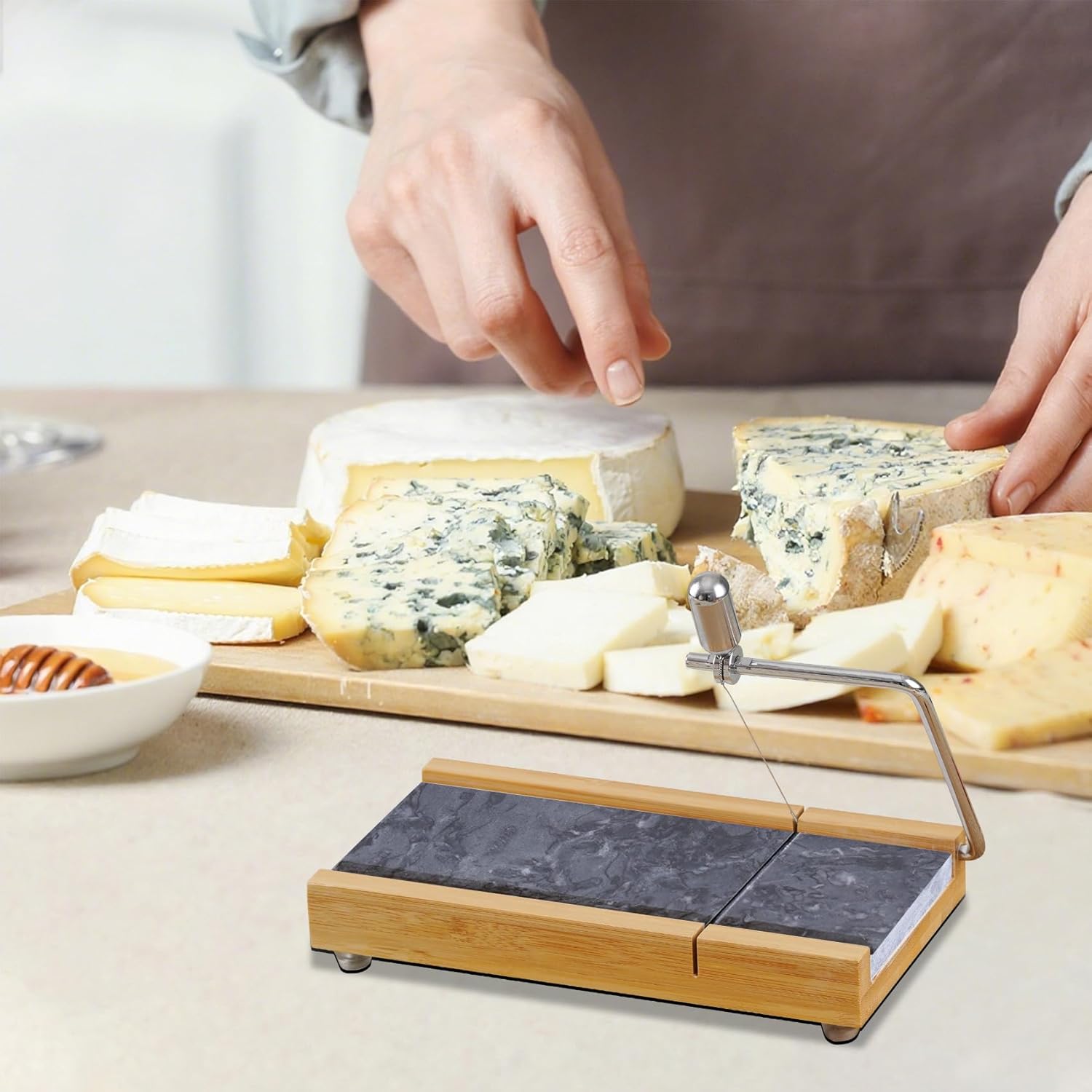
Build a simple board. Pair it with fresh figs when available, apple or pear slices, and almonds. Add a little honey if you like sweet-salty contrast. Candied nuts work too, but choose one sweet accent rather than turning the plate into dessert.
Dark chocolate is worth a small experiment. Try a modest piece beside the cheese before committing the whole board to that pairing.
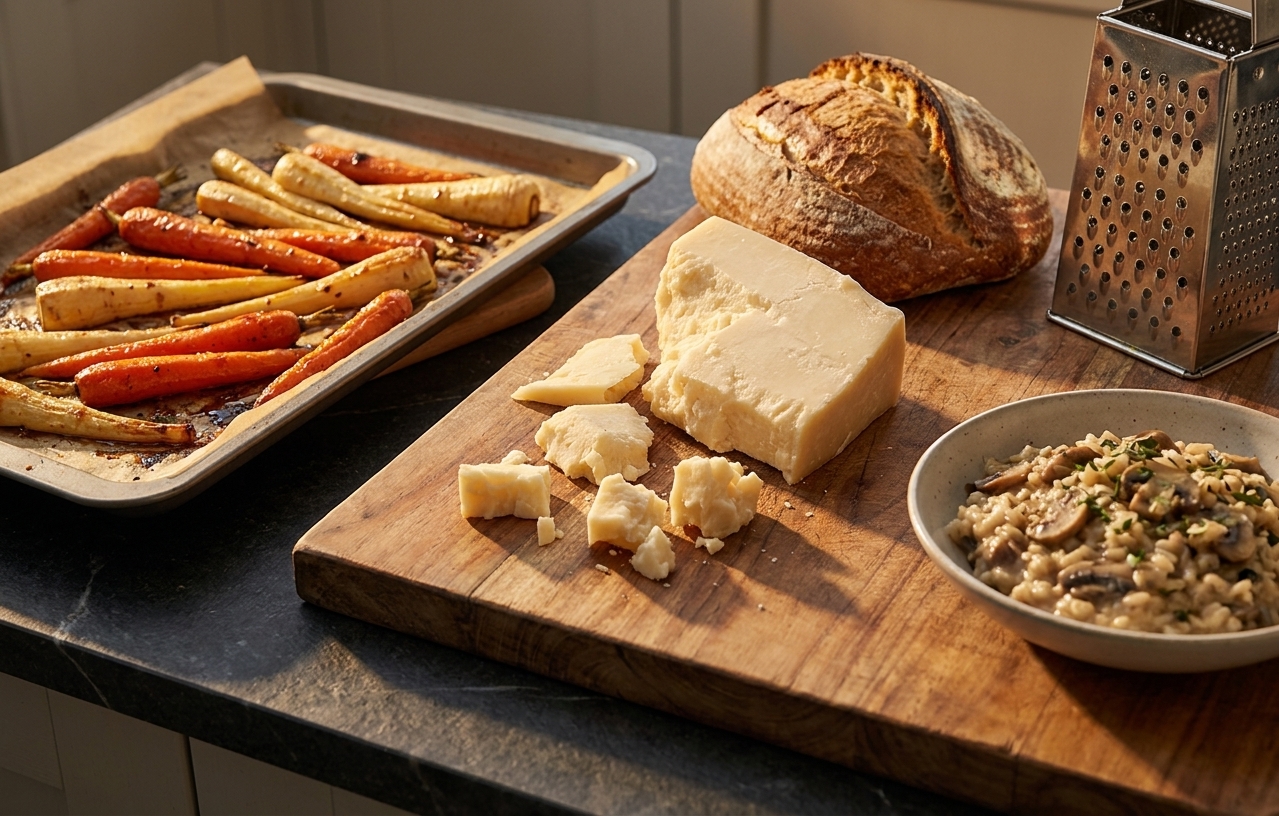
Finish roasted vegetables. Shave Asiago over carrots, parsnips or sweet potatoes just before serving. The cheese adds salt and savory depth to their browned edges.
Upgrade a salad. Thin ribbons bring flavor to greens without leaving dense cubes at the bottom of the bowl.
Stir it into hot dishes carefully. It can enrich risotto, soup and macaroni and cheese, but an aged cheese is not guaranteed to melt into a flawless sauce under every condition. High heat can encourage clumping or oil separation.
For better results:
- Grate the cheese finely.
- Lower the heat or remove the pan from the burner.
- Add small handfuls, stirring between additions.
- Adjust with a splash of warm liquid as needed.
- Taste before adding more salt.
For macaroni and cheese, use Asiago as a flavor partner alongside a younger, easier-melting cheese. It brings the character without having to carry the whole sauce.
Keep it fresh, and know when to let it go
Refrigerate Asiago at 40 F or below. After opening, follow the package directions. Cheese paper or parchment inside a covered container can help protect a cut wedge from drying out. Label it with the opening date so it does not become an anonymous refrigerator resident.
For a summer picnic, pack it in a cooler with ice packs. As a conservative serving rule, refrigerate leftovers within two hours, or one hour when the temperature is above 90 F.
Here is how to read changes in the cheese:
- Hard, white grains: These may be normal aging crystals, especially if they feel crunchy rather than fuzzy.
- Pink or red patches, slime or a putrid smell: Discard the cheese. Do not taste it to investigate.
- Strong, persistent ammonia: This is not a flavor goal for this cheese. Do not assume that letting it air out will make a questionable wedge safe.
- A small mold spot on an otherwise sound, intact hard block: USDA guidance allows cutting away at least 1 inch around and below the spot, keeping the knife out of the mold. Rewrap the remaining cheese in clean wrapping.
- Mold on shredded, crumbled or sliced cheese: Discard it. Also discard a wedge with widespread growth or mold extending into cracks.
If the wedge is too small to trim safely, let it go. Saving a few bites is not worth the uncertainty.
A family business with a competitive streak
Schuman Cheese began in 1945 as Arthur Schuman's cheese-importing business. The company later expanded into domestic production, acquiring Lake Country Dairy in 2006.
The plant is known for using copper kettles for select cheeses. Copper conducts heat efficiently, but that does not mean every Cello cheese is a copper-kettle product. Check the specific label rather than borrowing a production detail from a neighboring wedge.
Cello Artisan Extra Aged Asiago earned Best of Class recognition in the Asiago category at the 2024 World Championship Cheese Contest. That award belongs to that particular entry, not automatically to every package bearing the brand's name.
Ask for it, then start small
Say it ah-see-AH-go.
In Pagosa Springs, ask the cheese counter at Murray's Cheese inside City Market about current Cello Asiago availability. Start with a wedge you can use in a board, a salad and one warm dish rather than buying more than you need.
My first meal with it would be simple: roasted carrots, a few fresh shavings and good bread. Save a plain bite for the end. That nutty finish deserves a moment of its own.
Sources and Further Reading
- Asiago, Cello Cheese: Product details and serving suggestions.
- Frequently Asked Questions, Cello Cheese: Ingredients and dietary information.
- What Do You Really Know About Asiago PDO?, culture: the word on cheese: Italian origin and traditions.
- Schuman Cheese's Lake Country Dairy Plant Makes Italian-Style, Alpine Cheeses, Dairy Foods: Wisconsin production and facilities.
- Molds on Food: Are They Dangerous?, USDA Food Safety and Inspection Service: Mold handling and disposal guidance.