Estimated Reading Time: 7 min
A Wisconsin cheese with a California family tree
Maple Leaf Pepper Jack comes from Juda, in Green County, Wisconsin. This is a place where cheesemaking is part of the working landscape, not just a roadside attraction. Swiss immigration helped shape the county’s dairy traditions, and Maple Leaf’s cooperative roots reach back to 1910, when local farmers joined forces to create a dependable market for their milk.
That history matters more than a romantic picture of green pastures. Making a mild cheese well takes care. Without a strong rind or years of aging to dominate the flavor, the milk, salt and handling have nowhere to hide.

Terroir Tale: Jack’s west-to-Midwest journey
Monterey Jack’s roots lie in California’s Spanish and Mexican cheesemaking traditions, including cheeses made around the Monterey missions. In the 19th century, businessman David Jack helped commercialize the style, and his name became attached to it.
Pepper Jack adds chiles to that mild American cheese. Wisconsin makers adopted the style with enthusiasm, giving a California original a sturdy Midwestern home.
What’s in Maple Leaf Pepper Jack?
The foundation is pasteurized whole cow’s milk. Its mild flavor lets the peppers speak clearly, while its fat and protein help create the creamy body.
Red and green jalapeño pieces give the pale cheese its speckled appearance. Along with the milk and peppers, cheesemaking requires cultures, salt and a coagulant, the ingredient that helps liquid milk form curds.

Rennet, defined: Rennet is a preparation of enzymes used to set milk into a gel, which is then cut into curds. Microbial rennet comes from microbial production rather than a calf’s stomach.
Maple Leaf Pepper Jack is listed as using microbial enzymes, making it a potential choice for lacto-vegetarians, who eat dairy but avoid animal-derived rennet. If that distinction is important to your diet, confirm it on the current package or with the maker. The word “enzymes” alone does not identify their origin.
Allergen note: This is a milk-containing cheese, not a dairy-free food. Do not assume that a young cheese is lactose-free, either. Milk allergy and lactose intolerance are different conditions.
Pasteurized, young and built for a supple bite
Pasteurization heats milk to destroy disease-causing microorganisms. One common method heats milk to at least 161 degrees Fahrenheit for 15 seconds, then cools it quickly. Other approved time-and-temperature combinations also exist.
Pasteurized does not mean sterile. Clean handling and refrigeration still matter after the milk becomes cheese.
Pepper Jack is a young, briefly matured cheese rather than a long-aged one. Think weeks to a few months, not the years you might expect from an aged Gouda. A roughly one- to three-month maturation is typical of young Jack styles, though production schedules vary.
That short wait preserves a mild dairy flavor and flexible body. It is not an unripened fresh cheese in the same sense as ricotta. Nor is it trying to deliver cheddar’s sharp bite. Its job is different: creamy first, peppery next.
Moisture, curds and the meaning of “semi-soft”
Maple Leaf Pepper Jack sits in the semi-soft part of the cheese case: pliable enough to bend, firm enough to slice. You may also see Jack described as semi-hard. These texture terms are useful guides, not precise moisture measurements.
Federal standards make a more exact distinction:
- Monterey Jack: No more than 44% moisture, with milkfat making up at least 50% of the dry solids.
- High-moisture Jack: More than 44% but less than 50% moisture, also with at least 50% milkfat in the dry solids.
That last phrase deserves attention. “50% milkfat in dry solids” does not mean the whole cheese is 50% fat. It describes the portion left after water is excluded. Use the nutrition label for fat per serving.
One cheesemaking technique used to control mildness in washed-curd styles is exactly what it sounds like: Some whey is drained, and water is added to the curds. This removes some lactose, the milk sugar that cultures turn into lactic acid. Less available lactose can mean less acid development.
The practical result of careful moisture and acidity control is a cheese that yields rather than crumbles. Moisture matters for melting, too, but it works alongside fat, protein, acidity and age. No single number guarantees a good quesadilla.
Taste it before you melt it
Start with a small piece on its own. Give it a few minutes out of the refrigerator so the chill does not mute the flavor.
The first impression should be mild and milky, with buttery notes, salt and a little tang. The jalapeños bring a fresh, green-pepper character and a warming finish. Expect moderate heat rather than a dare, though pepper intensity and personal tolerance vary.
Capsaicin is the compound behind that heat. It activates heat-sensing receptors in your mouth; it does not actually raise the cheese’s temperature. It is also fat-soluble. A dairy-rich setting changes how you experience it, but cheese does not make the burn disappear.
Now pay attention to texture. The cheese should feel smooth and supple, with pepper pieces interrupting the creamy bite. It should not shatter like an aged hard cheese or feel sandy.
Try a second bite after a plain cracker. You might notice that the warmth lingers longer than the buttery flavor. That is useful information when you start choosing accompaniments.
Melt it gently, not recklessly
Pepper Jack is a useful melting cheese, but it is not immune to overheating. Too much heat can tighten proteins and push out fat, leaving a greasy surface instead of a cohesive layer.
For a simple post-ski lunch or an easy dinner after a day around Pagosa Springs, make a quesadilla:
- Grate the cheese while cold. It is easier to handle and spreads evenly.
- Use a modest layer. Add drained black beans, cooked chicken or sautéed vegetables if you like. Wet fillings make a soggy tortilla.
- Cook over medium-low heat. Give the cheese time to soften before the outside burns.
- Flip once the underside is golden. Cook the second side, then let the quesadilla rest briefly before cutting.
The same cheese works on nachos, burgers, breakfast potatoes and egg bakes. For a burger, add a slice near the end of cooking and briefly cover the pan. It supplies creamy heat; it does not seal juices into the meat.
For fish tacos, use a light hand. A little melted Pepper Jack can complement mild white fish, but a thick blanket can overwhelm it.
Build a board with contrast
Pepper Jack does not need five other spicy ingredients beside it. Give it some breathing room.
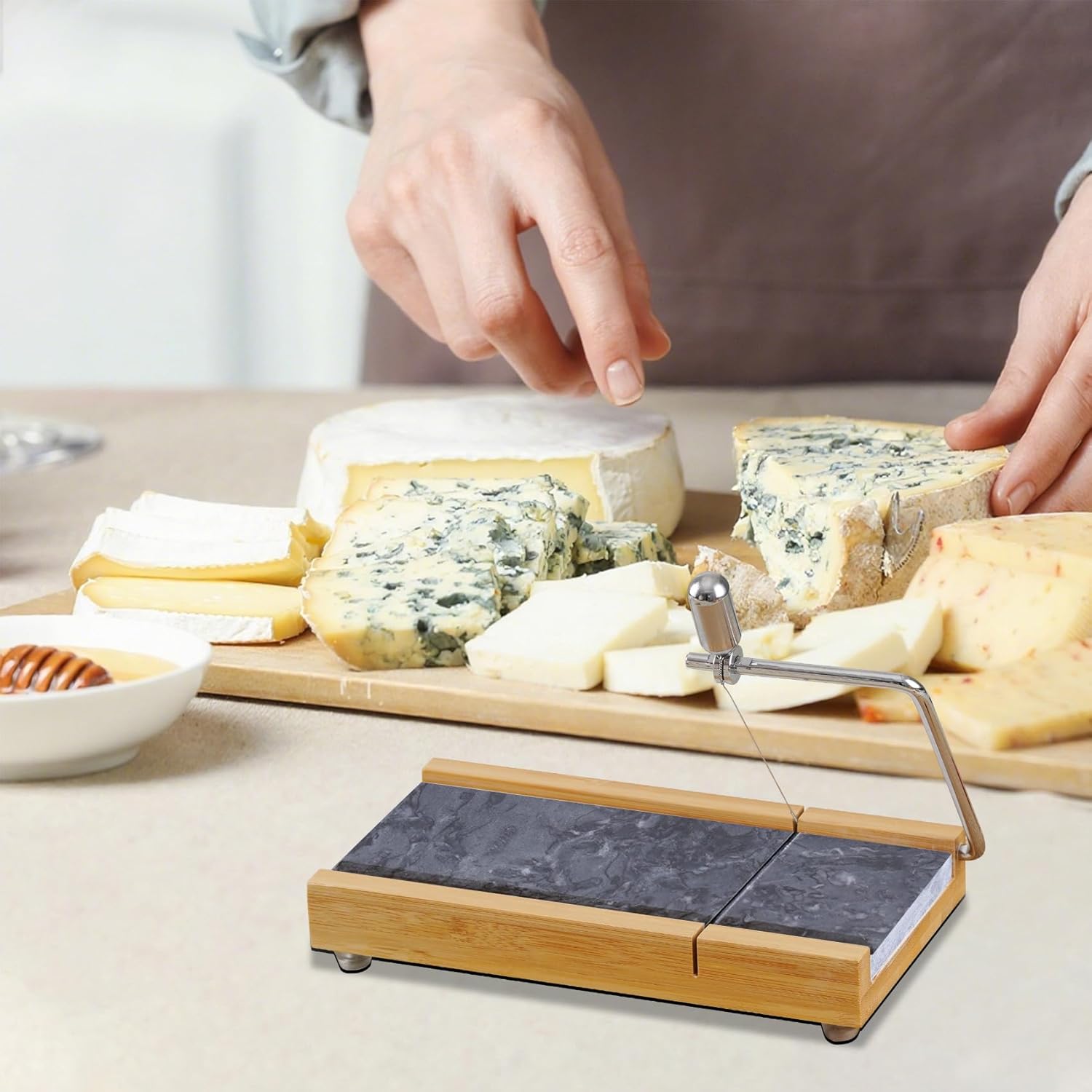
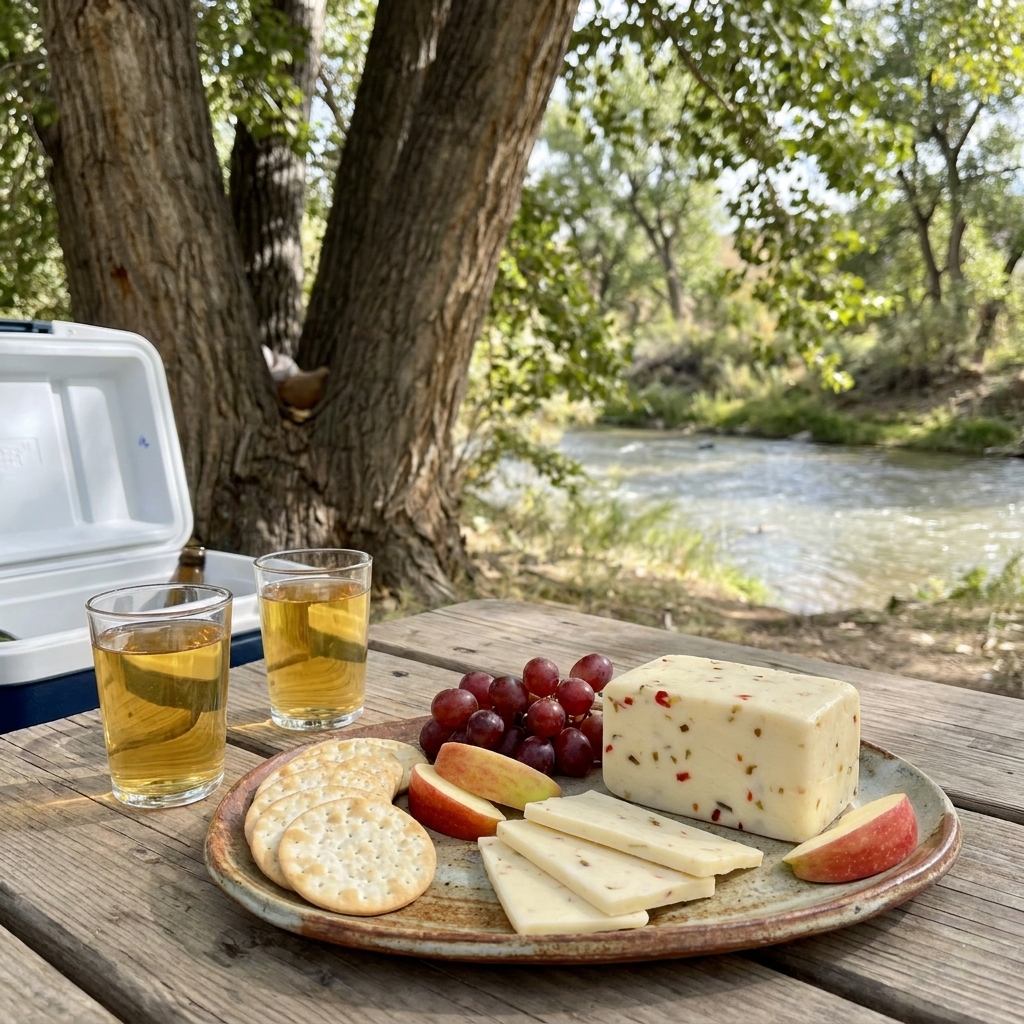
Try apple or pear slices, plain crackers and a small spoonful of honey. Mild cured meats, such as prosciutto or coppa, add savory depth without turning the board into a chile contest. Keep hot mustard and pepper jelly optional.
For a summer picnic near the San Juan River, pack the cheese in an insulated cooler with ice packs. Set out small portions and replenish them as needed. A shaded table is pleasant, but it is not a refrigerator.
Pro Pairing Tip
Serve plain Monterey Jack beside Pepper Jack. Taste the plain cheese first, then the peppered version. It is a simple way to notice what the chiles add: aroma, texture and lingering heat, not just spice.
Wine: A little sweetness helps
Off-dry Riesling is the easiest starting point. Its fruit, bright acidity and modest sweetness make a friendly contrast to salt, creaminess and chile heat. Check the label or ask for guidance: “Kabinett” does not automatically mean sweet.
Gewürztraminer offers floral aromas, lychee-like fruit and spice notes. Look for a version with some sweetness and moderate alcohol if you want a gentler pairing.
Chardonnay can work when it is restrained. A rounded, lightly oaked bottle may echo the cheese’s buttery character. Heavy oak and high alcohol are less helpful, and vanilla-like oak aromas do not necessarily indicate actual sugar.
Prefer red? Try a fruit-forward, lower-tannin wine. Zinfandel can offer a pleasing berry contrast, but many bottles are high in alcohol, which can make the heat feel stronger. Read the alcohol percentage rather than choosing by grape alone.
Beer: Choose refreshment or lean into the heat
A crisp pilsner or Mexican-style lager is a sensible everyday match. Its light body and bubbles offer contrast to the cheese’s richness. Carbonation can feel refreshing, though it does not neutralize capsaicin.
A citrus-forward IPA takes the pairing in a bolder direction. Hop bitterness and alcohol may make the spicy impression more intense. Choose it because you enjoy that combination, not because you expect relief.
Porter and stout offer another route. Roasted malt, cocoa-like flavors and a rounded body provide a darker backdrop to the jalapeños. An oatmeal stout is especially appealing with a grilled Pepper Jack sandwich on a cold evening.
Skipping alcohol? Try a lightly sweet apple drink or a mango lassi. There is no requirement to make pairing more complicated than dinner.
Know what belongs, and what means goodbye
A little red or orange color spreading from a pepper piece into the cheese can be normal. It is not the same as a new, unexplained colored patch on the surface.
White deposits can sometimes be harmless crystals, but do not assume every white spot is a crystal. If you cannot confidently distinguish a deposit from mold, discard the cheese.
Other reasons to throw it away include:
- A slimy surface.
- Unexpected mold on this semi-soft cheese.
- Strong rancid, rotten or ammonia-like odors.
- Unexplained swelling of a vacuum-sealed package.
Do not taste questionable cheese to test it. Harmful microbes can also be present without changing the smell or appearance.
Keep Pepper Jack at 40 degrees Fahrenheit or below, protect the cut surface with clean wrapping and follow package guidance after opening. Refrigerate it within two hours of serving, or within one hour when temperatures exceed 90 degrees. For a rental-cabin snack board or a long drive home, a cooler earns its space.
Craft worth noticing, without making a ceremony of it
Maple Leaf’s cheesemaking history includes Wisconsin Master Cheesemakers Jeff Wideman and Paul Reigle. Wisconsin’s program requires extensive experience, advanced study and years of evaluation. It is a serious professional credential, not simply a decorative phrase.
Still, you do not need a credential to enjoy the result. Ask about Maple Leaf Pepper Jack at Murray’s Cheese inside City Market in Pagosa Springs, and check current availability before planning around it.
Say it MAP-ul LEEF PEP-er JAK. Then buy an amount you will use, taste a piece plain and save enough for tomorrow’s grilled cheese. That is a perfectly good tasting plan.
Sources and Further Reading
- Pepperjack Maple Leaf, Gourmet Foods International. Product information.
- Maple Leaf Pepper Jack Cheese, Farm to People. Producer and cheese profile.
- Monterey Jack standard of identity and high-moisture Jack standard, U.S. Food and Drug Administration, via eCFR.
- 2022 Wisconsin Master Cheesemakers, University of Wisconsin-Madison Center for Dairy Research and Dairy Farmers of Wisconsin.
- Molds on Food: Are They Dangerous?, USDA Food Safety and Inspection Service.